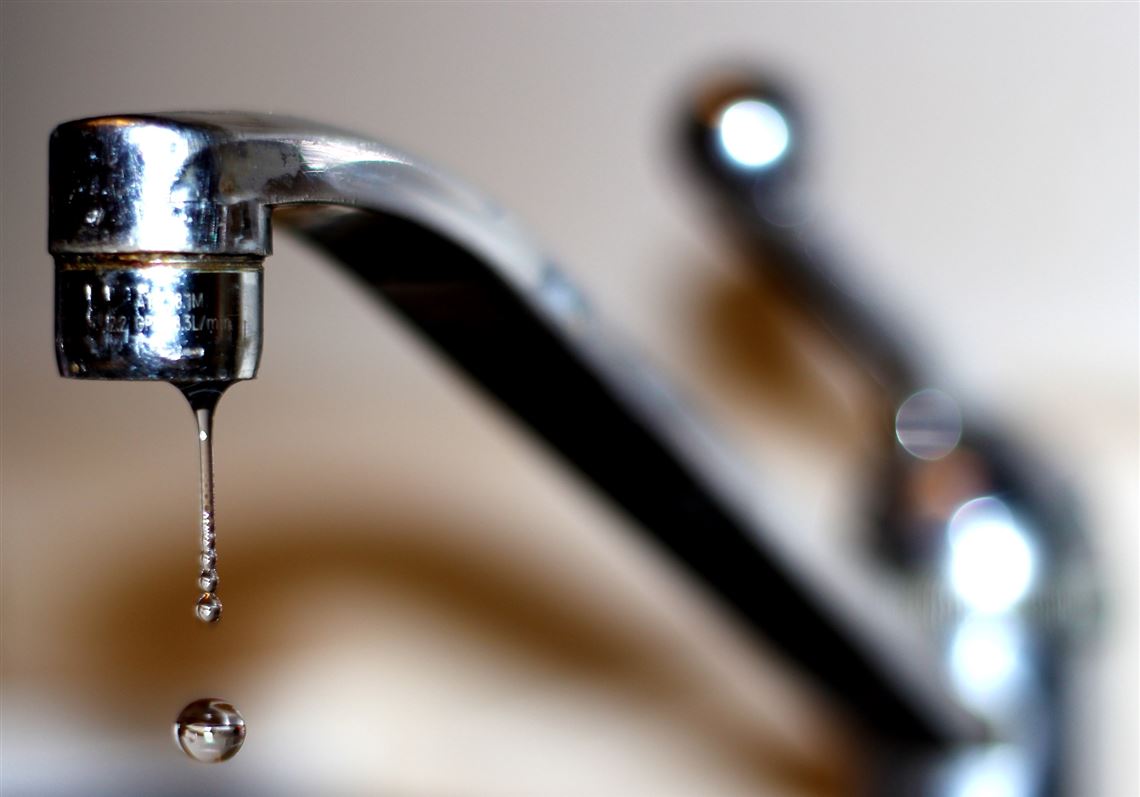
For many residents in the historic brownstones of Hoboken or the high-rise condos of Fort Lee, the morning routine is a well-oiled machine. You wake up, head to the bathroom, and turn on the faucet to splash your face or brush your teeth. But lately, you’ve noticed something unsettling: for the first few seconds, the water has a distinct brown tint. It eventually clears up, but the sight of tea-colored water pouring into your pristine porcelain sink is enough to give anyone pause.
As we move through 2026, water quality continues to be a major concern for property owners and residents across urban areas. While municipal water supplies are carefully treated before entering buildings, problems can develop as water travels through aging infrastructure and older internal plumbing systems. For building owners and residents, Water testing for condominiums in NYC can help identify potential water quality issues and provide a clearer understanding of what may be affecting the supply. A brown tint appearing from a bathroom tap can be an important warning sign, often linked to elevated iron levels in the municipal supply or corrosion occurring within the building’s own plumbing system.
Understanding the difference between these two scenarios is essential. One is an aesthetic nuisance from the city, while the other is a structural threat to your property.
Iron vs. Corrosion: The Two Faces of Brown Water
To solve the mystery of the brown tint, you first have to identify the source. In the context of common , brown water is almost always caused by oxidized iron (rust). However, how that rust gets into your water matters.
1. Municipal Iron Spikes If the brown tint appears in every faucet in your home simultaneously—the kitchen, the guest bath, and the laundry room—the problem is likely external. In older urban areas like Jersey City, the water mains under the street are often made of unlined cast iron. Over time, these mains develop a layer of rust. When there is a sudden change in water velocity—perhaps due to a nearby fire hydrant being opened or a water main repair—that rust is scoured off the pipe walls and sent into the neighborhood’s service lines.
2. Internal Pipe Corrosion If the brown tint only appears in one specific bathroom, or only after the water has sat stagnant overnight, the call is coming from inside the house. This is a sign of internal corrosion. Older Hoboken and Staten Island homes often utilize galvanized steel pipes. As the zinc coating on these pipes wears away, the raw iron underneath begins to rust. This rust accumulates in the “elbows” and “nipples” of your bathroom plumbing, resulting in a concentrated burst of brown water the moment you open the tap.
Why the Bathroom Faucet is the “Canary in the Coal Mine”
You might wonder why you notice the brown tint in the bathroom more often than the kitchen. Bathroom faucets typically have lower flow rates and use smaller-diameter “stub-out” pipes behind the wall. These smaller pipes are often the first to show signs of terminal corrosion.
Additionally, we tend to use bathroom taps in “short bursts” rather than the high-volume usage seen in a kitchen sink or washing machine. These short bursts aren’t enough to fully “flush” the sediment out of the line, allowing the brown tint to persist day after day. This is a frequent topic of discussion in our , where residents ask why their “renovated” bathroom is suddenly showing signs of aging plumbing.
The Hidden Risks: Beyond the Color
While the classifies iron as a “Secondary Contaminant” (meaning it is primarily an aesthetic issue), brown water carries risks that go beyond a stained sink.
- Lead Sequestration: If your home has lead-soldered joints or a lead service line, the iron particles that cause the brown tint can act as “transport vehicles.” Lead molecules often adhere to the rust flakes. When you see brown water, you may be seeing a visible sign of an invisible lead spike.
- Bacterial Biofilms: Rust creates a porous, jagged surface inside your pipes. This is the perfect environment for biofilms to attach and grow. If your brown water has a “musty” or “earthy” smell, it’s a sign that the iron is supporting a localized bacterial colony.
- Health Impacts: For those with sensitive skin or conditions like eczema, bathing in high-iron water can cause significant irritation. As we detail in our guide to , the physical particulates in “rusty” water can strip natural oils from the skin and hair, leading to persistent dryness.
Diagnosing the Problem: The First-Draw Test
To determine if you need to call the city or a plumber, perform a “First-Draw” test.
- Let the water sit unused for at least 8 hours (overnight is best).
- In the morning, fill a clear glass with the very first water that comes out of the bathroom tap.
- Fill a second glass after the water has run for two minutes.
If the first glass is brown but the second is clear, the corrosion is inside your home’s pipes. If both glasses are tinted, the issue is likely the municipal main or your service line. We frequently track these localized “brown water events” on the to help residents see if their neighbors are experiencing the same issues.
Solutions: Clearing the Tint
Once you know the source, you can implement targeted to restore your water’s clarity:
- Whole-House Sediment Filtration: If the issue is city-wide, a 5-micron sediment filter installed at the point of entry is your best defense. It will catch the rust and grit before it enters your water heater and bathroom fixtures.
- Point-of-Use Reverse Osmosis (RO): For drinking and brushing your teeth, an RO system provides a semi-permeable membrane that blocks the microscopic iron and lead particles that “aesthetic” filters miss.
- Dielectric Unions: If your brown tint started after a minor repair, ensure your plumber used dielectric unions to connect different types of metal pipes. Mixing copper and galvanized steel without these fittings causes rapid “galvanic corrosion.”
Conclusion: Don’t Ignore the Signal
A brown tint in your bathroom water is a sign that the “unseen” part of your home—the plumbing—is undergoing a chemical change. Whether it’s a temporary spike from a Hoboken water main repair or the slow decay of original galvanized pipes in a Staten Island walk-up, the color is a warning.
By identifying the source and installing the right filtration barrier, you can protect your fixtures, your skin, and your family’s health. Your bathroom should be a place of cleanliness, not a place where you have to wonder what’s lurking in the pipes.
If you are experiencing persistent discoloration and standard flushing methods are not resolving the issue, or if you have noticed staining on bathroom fixtures and tiles, professional evaluation can help determine the underlying cause. Water testing for office buildings in the Bronx can provide detailed insights into water quality concerns and help identify potential sources of contamination. We can guide you through the testing process and recommend suitable filtration solutions to restore clarity and improve your building’s water quality.