Buying a water filter can feel like the fastest way to solve a water concern. If the water tastes strange, looks cloudy, smells different, or comes from older plumbing, many people immediately search for a filter pitcher, faucet filter, under-sink system, whole-house filter, or reverse osmosis unit. Filters can be useful, but choosing one before testing can lead to the wrong solution. A filter is only helpful when it is designed for the specific contaminant or water problem you actually have.
Water contamination is not one single issue. Lead, bacteria, PFAS, nitrates, arsenic, copper, chlorine taste, sediment, iron, manganese, hardness, pesticides, and industrial chemicals all require different thinking. A filter that improves taste may not remove lead. A softener may help hardness but not bacteria. A carbon filter may reduce some chemicals but may not solve nitrates. A UV system may help with certain microorganisms but does not remove metals. That is why testing should come before treatment. Homeowners can start by reviewing common contaminant types before spending money on any filter system.
Water Filters Are Not All the Same
One of the biggest mistakes people make is assuming that any filter makes water safer. In reality, filters are built for different purposes. Some are designed mainly for taste and odor. Some reduce chlorine. Some are certified for lead. Some reduce PFAS. Some remove sediment. Some reduce microorganisms. Some are part of larger treatment systems for private wells.
The U.S. Environmental Protection Agency explains that home water treatment units can help with specific water quality problems, but no single treatment unit removes every contaminant. The EPA’s guide to home drinking water filtration is useful because it reminds consumers to understand the problem first. Before choosing a filter, you need to know what you are trying to reduce.
Testing Tells You What Problem You Actually Have
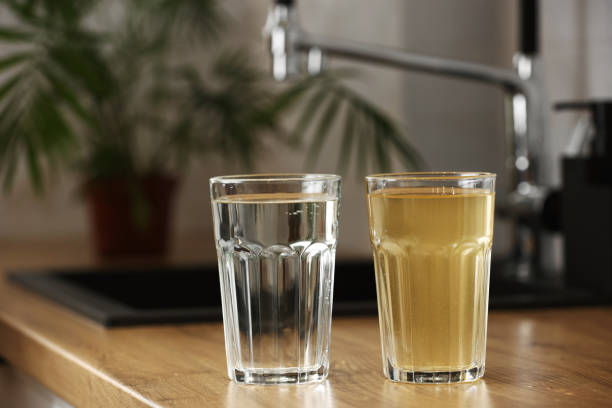
Testing gives direction. Without testing, you may only be guessing based on taste, smell, appearance, or fear. Those clues matter, but they do not confirm the contaminant. Metallic taste may suggest iron, copper, corrosion, or plumbing issues. Brown water may suggest sediment, iron, manganese, or pipe disturbance. Clear water may still contain lead, PFAS, nitrates, or arsenic. A rotten-egg smell may come from the water, the drain, or the water heater.
A good test helps answer the specific question: What is in the water, and at what level? Once you know that, you can choose a filter or treatment system designed for that concern. This is the difference between buying a product because it sounds reassuring and choosing a solution because it matches real results.
A Taste Filter May Not Be a Safety Filter
Many common pitcher and refrigerator filters are good for improving taste. They may reduce chlorine taste, odor, and some impurities depending on the product. But taste improvement does not always mean safety improvement. Water can taste better while still containing contaminants the filter was not designed to remove.
This is especially important for lead, PFAS, nitrates, arsenic, and bacteria. If a family buys a simple taste filter and assumes it solves all risks, they may have false confidence. Always check the product certification and contaminant reduction claims. If the filter is not certified for the contaminant you are worried about, it may not solve the problem.
Lead Requires Specific Filtration
Lead is a strong example of why testing matters. Lead usually enters drinking water through plumbing materials, such as lead service lines, old solder, brass fixtures, or older faucets. Water can look clear and still contain lead. A filter that reduces chlorine taste may not reduce lead unless it is specifically certified for lead reduction.
The CDC explains that lead can enter drinking water through plumbing materials and recommends using filters certified to remove lead if a filter is needed. Its guidance on lead in drinking water is useful for families in older homes. If lead is the concern, test first, then choose a certified lead-reducing filter and maintain it exactly as directed.
PFAS Requires a Different Treatment Approach
PFAS concerns have become more common as communities learn more about long-lasting chemicals in water. PFAS usually cannot be detected by taste, smell, or appearance. Testing is needed to know whether PFAS is present and which compounds are involved. Not every filter reduces PFAS effectively.
Activated carbon, reverse osmosis, and ion exchange systems may reduce certain PFAS when properly selected and maintained. But the right choice depends on the type and level of PFAS in the water. The EPA’s resource on PFAS explained helps homeowners understand why these contaminants require more specific attention. If PFAS is the concern, do not rely on general marketing claims. Look for certification and test results.
Bacteria Problems Cannot Be Solved With Any Random Filter
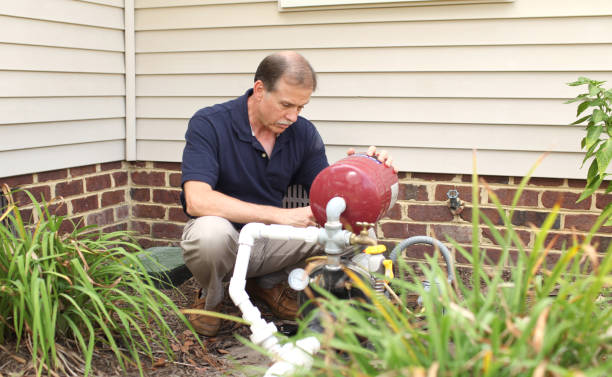
Bacteria contamination requires careful response. If water contains harmful bacteria, a basic pitcher filter may not make it safe. Private wells can be affected by flooding, septic systems, well damage, animal waste, or poor well construction. Public water systems are monitored, but building-level or emergency issues can still create concerns in certain situations.
The CDC recommends annual private well testing for total coliform bacteria, nitrates, total dissolved solids, and pH. Their guide to testing well water is especially important for well owners. If bacteria are found, treatment may involve disinfection, well repair, shock chlorination, UV systems, or other steps depending on the situation. The right response starts with the right test.
Nitrates Need Special Attention
Nitrates are especially important for households with infants or pregnant people. They can enter groundwater from fertilizer, septic systems, animal waste, and agricultural runoff. Like many hidden contaminants, nitrates may not change water appearance or taste.
Not every filter removes nitrates. Boiling water does not remove nitrates and can concentrate them. Some reverse osmosis systems and ion exchange systems may reduce nitrates, but the system must be designed and maintained for that purpose. Testing is essential because nitrate risk cannot be judged visually.
Arsenic Also Requires Testing and Targeted Treatment
Arsenic can occur naturally in groundwater in some areas. It can also be linked to certain industrial or agricultural sources. Water containing arsenic can look, taste, and smell normal. Private well owners in areas where arsenic is known to occur should test for it because ordinary sensory checks are not enough.
Treatment for arsenic depends on the form and level of arsenic present. Reverse osmosis, adsorptive media, or other specialized systems may be used, but they must be selected carefully. A general taste filter is not enough unless it is specifically certified for arsenic reduction. This is another reason testing should come before buying.
Hardness Is Different From Contamination
Hard water can create scale, spots, dry-feeling skin, and appliance buildup. It can be annoying and may affect plumbing and cleaning, but hardness is different from many health-related contamination concerns. A water softener can help with hardness, but it does not automatically solve lead, PFAS, bacteria, nitrates, or arsenic.
Many homeowners install a softener and assume their water is fully treated. That may not be true. A softener is a specific solution for a specific issue. If the concern is contamination, testing should identify the contaminant before treatment is chosen. Families can use the solutions section to compare different treatment categories.
Whole-House Filters Are Not Always Better
A whole-house filter treats water as it enters the home, which sounds like the strongest option. In some cases, it can be helpful, especially for sediment, iron, odor, or well-water issues. But whole-house treatment is not always necessary or sufficient. Some contaminants are better addressed at the point of use, such as the kitchen tap used for drinking and cooking.
For example, lead from internal plumbing or a faucet may not be fully addressed by a whole-house system placed before the affected fixture. PFAS treatment may be focused at drinking-water taps. Bacteria treatment may require well system correction and disinfection. A whole-house filter can be useful, but only if it is matched to the source and contaminant.
Point-of-Use Filters Can Be Practical
Point-of-use filters treat water at one location, such as a kitchen sink, pitcher, refrigerator, countertop unit, or under-sink system. These can be practical when the main concern is drinking and cooking water. They are often less expensive than whole-house systems and easier to target for specific contaminants.
However, point-of-use systems still need proper selection and maintenance. A kitchen filter does not treat the bathroom tap. A pitcher filter does not help shower water. A reverse osmosis unit may waste some water and require filter changes. The best choice depends on household needs and test results.
Certification Matters
When choosing a filter, certification matters more than vague marketing. Look for products tested to recognized standards for the specific contaminant. A label that says “clean,” “pure,” “healthy,” or “advanced” is not enough. The product should say what it reduces and under which certification standard.
NSF provides information on certified drinking water treatment units and standards for different contaminants. Its home water treatment resource helps consumers understand why certified claims matter. If you are worried about lead, look for lead reduction certification. If you are worried about PFAS, look for PFAS-related claims. Match the certification to the concern.
Maintenance Is Part of Filtration
A filter only works as intended when it is maintained. Cartridges need replacement. UV lamps need servicing. Reverse osmosis membranes need attention. Softeners need salt and maintenance. Sediment filters can clog. Carbon filters can lose effectiveness. A neglected filter can reduce flow, affect taste, or stop reducing the contaminant effectively.
Before buying a system, ask how often it needs maintenance, how much replacement filters cost, whether parts are easy to find, and who will service it. A cheaper system may become expensive if cartridges need frequent replacement. An expensive system may fail if no one maintains it. The best filter is one the household can realistically care for.
Testing After Installation Can Confirm Performance
Testing before filtration tells you what you need. Testing after installation helps confirm whether the system is working. This is especially important for serious contaminants like lead, bacteria, nitrates, arsenic, or PFAS. If a filter is installed but never verified, the family may not know whether it is performing well.
Post-installation testing should be done at the right location. If the filter treats the kitchen tap, sample from that tap. If a whole-house system treats all water, sample accordingly. Follow lab instructions carefully. Poor sampling can create misleading results. Testing is not just a one-time step; it can be part of long-term water safety.
Do Not Let Filters Create False Confidence
Filters can be helpful, but they can also create false confidence if used incorrectly. A family may stop paying attention to water changes because they assume the filter solves everything. But filters have limits. They may not treat every contaminant, may expire, may be installed incorrectly, or may not address plumbing after the filter.
Continue paying attention to odor, color, taste, pressure changes, advisories, and maintenance schedules. If the water suddenly changes, do not assume the filter handles it. Check the system, review local notices, and test when needed. Water safety is a process, not a product.
How to Decide What Test to Order
The right test depends on your situation. If you have a private well, start with bacteria, nitrates, total dissolved solids, and pH, then add local-risk contaminants. If your home has older plumbing, consider lead and copper testing. If your area has known PFAS issues, order PFAS testing through an appropriate lab. If water smells like fuel or chemicals, contact local authorities or a qualified lab for targeted analysis.
For visible discoloration, iron, manganese, turbidity, and metals may be useful. For rotten-egg odor, sulfur-related testing or water heater evaluation may be needed. For infant formula concerns, lead and nitrate questions may be especially important. Use the FAQ page to organize your questions before choosing a lab test.
When a Filter May Not Be Enough
Some water problems require more than a filter. A contaminated private well may need repair, disinfection, or relocation of contamination sources. A lead service line may need replacement. A building plumbing issue may require maintenance. A sewage-like odor may involve plumbing or drain problems. A water heater issue may require service.
A filter can reduce contaminants at the tap, but it does not always fix the underlying source. If testing reveals a serious problem, ask whether treatment alone is enough or whether source correction is needed. For ongoing concerns, the contact page can be used for general direction, while urgent health or safety issues should go to local officials, utilities, or qualified professionals.
The Bottom Line
Testing should come before choosing a water filter because filters are not one-size-fits-all. Different contaminants require different solutions. Lead, PFAS, bacteria, nitrates, arsenic, copper, hardness, sediment, and chlorine taste cannot all be handled the same way. Buying a filter without knowing the problem can waste money and create false confidence.
The smarter path is simple: identify your water source, define the concern, test for the right contaminants, choose a certified treatment system, maintain it properly, and test again when needed. A filter can be a valuable part of water safety, but only when it is matched to real results. Clean-looking water is not always problem-free, and filtered water is not automatically safe unless the filter is designed for the issue you actually have.