Preparing baby formula can make water quality feel much more personal. Adults may drink tap water for years without thinking much about it, but once that water is used for an infant, parents often start asking new questions. Is the water safe? Should it be boiled? Does boiling remove lead? What if the home has old pipes? What if the water comes from a private well? Should a filter be used? These are important questions because babies are more vulnerable than adults to certain contaminants.
The goal is not to make parents afraid of every faucet. The goal is to help families ask the right questions before formula preparation becomes part of daily life. Water used for baby formula should be considered carefully, especially in homes with older plumbing, private wells, recent flooding, water advisories, discoloration, or known local contamination issues. Parents can begin by learning about common contaminant types so they understand why different water concerns require different responses.
First Question: Is Your Water Public or Private Well?
The first question parents should ask is whether the home uses public water or private well water. Public water systems are regulated and tested, and customers can usually review annual water quality reports from their utility. Private wells are different. A private well is usually the homeowner’s responsibility, which means regular testing is essential.
The CDC recommends private well owners test their wells at least once a year for total coliform bacteria, nitrates, total dissolved solids, and pH, and more often if there are changes in taste, odor, or appearance. Its guide on testing well water is especially important for families with infants. If a baby’s formula will be mixed with well water, parents should not rely only on the fact that adults have been drinking it for years.
Second Question: Could Lead Be Present in the Plumbing?
Lead is one of the most important formula-water concerns because it can enter water from plumbing materials. Older service lines, solder, brass fixtures, and faucets may contribute lead, especially when water sits in pipes for several hours. Lead is usually invisible in water, so parents cannot judge it by appearance.
The EPA explains that lead can enter drinking water through corrosion of plumbing materials and that boiling water does not remove lead. Its resource on lead in drinking water is important for families using tap water for baby formula. If lead is a concern, parents may need certified testing, certified filters for lead reduction, cold-water habits, or another safe water source.
Use Cold Water, Not Hot Tap Water
For formula preparation, parents should use cold tap water and heat it if needed according to formula instructions and medical guidance. Hot tap water can dissolve metals more easily from plumbing and may pick up sediment from water heaters. Even if hot water feels convenient, it is not the best choice for drinking or formula preparation.
If water has been sitting in pipes overnight or for several hours, run the cold water until it becomes noticeably colder before using it. This can help clear water that has been stagnant in the household plumbing. This step is not a complete solution for lead, but it is a practical habit in older homes or buildings.
Boiling Water Does Not Fix Every Problem
Many parents assume boiling makes all water safe. Boiling can help in certain situations involving germs, especially during a boil water advisory, but it does not remove lead, nitrates, arsenic, PFAS, or many chemical contaminants. In some cases, boiling can concentrate contaminants because water evaporates while the contaminant remains.
This is why parents need to know the reason for concern. If the issue is bacteria, boiling may be part of official guidance. If the issue is lead or nitrates, boiling is not the answer. Different contaminants require different solutions. Families can review health impacts to understand why infants are more sensitive to some water problems.
Nitrates Matter More for Babies
Nitrates are especially important for families using private wells. Nitrates can come from fertilizer, septic systems, animal waste, and agricultural runoff. High nitrate levels are dangerous for infants because they can interfere with the blood’s ability to carry oxygen. The water may look and taste normal, which makes testing essential.
Parents should never assume nitrate-free water based on appearance. If a home uses private well water and an infant will drink formula mixed with that water, nitrate testing should be completed before use. If nitrate levels are elevated, parents need a safer water source or properly designed treatment. Boiling is not a nitrate solution.
Bacteria Testing Is Essential for Wells
Bacteria contamination can be especially concerning for babies. Wells may be affected by flooding, septic problems, damaged caps, poor construction, animal waste, or surface runoff. Sometimes bacteria contamination may cause odor or illness, but it may also go unnoticed without testing.
If a well has flooded, if the water smells sewage-like, if multiple family members have stomach illness, or if the well has not been tested recently, parents should avoid using that water for formula until proper testing and guidance are completed. A baby’s developing immune system deserves extra caution.
PFAS and Formula Water
PFAS chemicals are difficult because they usually do not change the taste, smell, or appearance of water. Some communities have known PFAS concerns due to industrial activity, firefighting foam, airports, military sites, landfills, or local water advisories. Parents in those areas may need targeted testing or certified treatment.
The EPA explains PFAS and why these chemicals are a growing drinking water concern. Its page on PFAS explained can help families understand why invisible contaminants may still matter. If PFAS is a local concern, parents should not rely on a basic taste filter unless it is certified for the specific reduction needed.
Do Filters Make Water Safe for Formula?
Filters can help, but only if they match the contaminant. A pitcher filter that improves taste may not remove lead, nitrates, bacteria, arsenic, or PFAS. A refrigerator filter may reduce chlorine taste but may not solve serious contamination issues. A reverse osmosis system may reduce many contaminants, but it must be maintained properly.
Parents should check certification claims carefully. If the concern is lead, the filter should be certified for lead reduction. If the concern is PFAS, look for PFAS reduction claims. If the concern is bacteria, a filter alone may not be enough. Families can review solutions after testing identifies the actual issue.
Do Not Use Water From a New or Unknown Filter Without Maintenance
A filter that has not been changed on schedule may not work as expected. A refrigerator filter that is months overdue, a pitcher cartridge used past its limit, or a neglected under-sink system may create false confidence. Maintenance is part of water safety.
If parents plan to use filtered water for formula, they should replace cartridges as directed, clean filter pitchers or housings, and follow manufacturer instructions. For serious concerns, testing filtered water after installation can help confirm whether the system is working.
What About Bottled Water?
Bottled water may be useful in some situations, especially when tap water is under an advisory or when testing shows a contaminant that is not yet treated. However, bottled water should still be chosen carefully. Some bottled water contains minerals, fluoride, or other characteristics that parents may want to discuss with a pediatrician.
Bottled water is also not a permanent solution to every household problem. It can be expensive, create waste, and become difficult to manage for daily formula preparation. If bottled water is used because of a contamination concern, parents should still work toward understanding the home’s water issue through testing or official guidance.
Watch for Water Advisories
Parents should pay attention to boil water advisories, do-not-drink advisories, and do-not-use advisories. These advisories are not all the same. A boil water advisory usually relates to possible germs. A do-not-drink or do-not-use advisory may involve chemicals or other serious concerns where boiling may not help.
If an advisory is issued, follow official instructions exactly. Do not assume boiling is always enough. Do not prepare formula with advisory-affected water unless the guidance says it is safe after specific treatment. If unclear, use a safer alternative and contact the local health department, utility, or pediatrician.
Formula Type Can Affect Water Questions
Ready-to-feed formula does not require mixing with water, which may make it useful when water safety is uncertain. Powdered formula and liquid concentrate require water, so water quality becomes more important. Parents should follow formula label instructions and pediatric guidance.
If the baby is premature, medically fragile, or has immune concerns, formula preparation instructions may be more specific. Parents should ask the pediatrician what type of formula and water preparation is safest for their baby’s situation.
Clean Bottles and Preparation Areas Matter Too
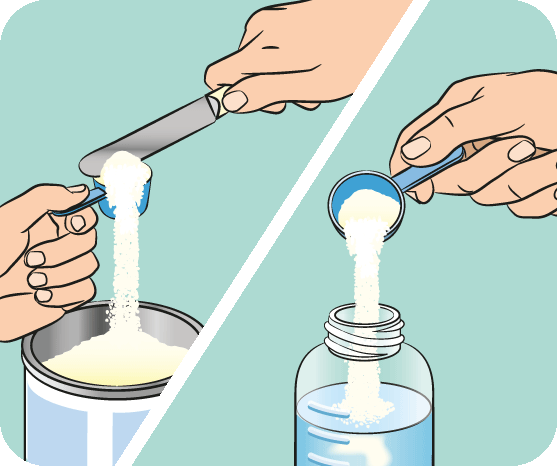
Water quality is only one part of safe formula preparation. Bottles, nipples, caps, countertops, hands, and mixing tools also matter. Wash hands before preparing formula. Use clean bottles. Keep formula scoops dry and clean. Prepare formula according to label instructions. Store prepared formula safely.
If the sink, counter, or bottle-drying area is dirty, even good water can be handled unsafely. A simple clean preparation routine helps reduce avoidable risk. Parents do not need a perfect kitchen, but they do need repeatable hygiene habits.
Older Homes Need Extra Questions
In older homes and apartment buildings, parents should ask about plumbing age, service lines, faucets, recent repairs, and whether water has a metallic taste or discoloration. A renovated kitchen does not always mean every pipe has been replaced. A new faucet may still connect to older plumbing.
If the baby will live in an older home, lead and copper testing may be worth considering. Testing should follow proper sampling instructions because first-draw water and flushed water may produce different results. A certified lab can provide instructions based on the concern.
Private Wells Need a Baby-Specific Plan
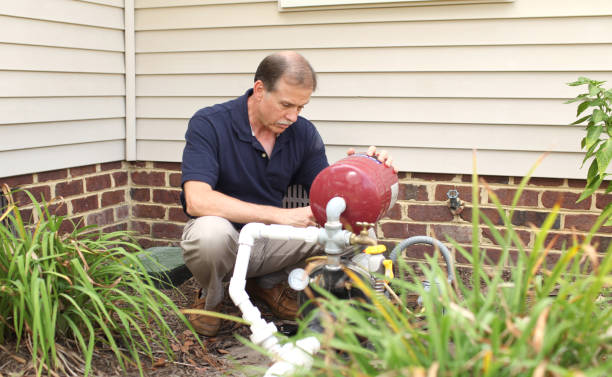
If the home uses a private well, parents should create a baby-specific water plan before the baby arrives. This plan should include recent testing, treatment maintenance, and emergency backup water if needed. The testing should include bacteria and nitrates at minimum, with additional contaminants based on local risk.
Homes near farms, septic systems, flood zones, industrial sites, or known contamination areas may need expanded testing. The best time to test is before the baby depends on the water every day, not after a concern appears.
When to Ask a Pediatrician
Parents should ask a pediatrician if they are unsure which water to use for formula, if the baby is premature or medically vulnerable, if the home uses private well water, if lead is a concern, if water test results are confusing, or if a local advisory is active. Pediatricians can help families decide what is safest for the baby while water questions are being resolved.
For general water-quality questions, families can also use the FAQ page or the contact page for next-step direction. Urgent health concerns should always go directly to a healthcare professional or local emergency service.
The Bottom Line
Parents should ask important water contamination questions before mixing baby formula. Is the water public or private well? Has the well been tested recently? Could lead be present in the plumbing? Are nitrates a concern? Has the water changed in taste, odor, or appearance? Is there a local advisory? Is the filter certified for the actual contaminant? Is the formula type appropriate for the baby’s needs?
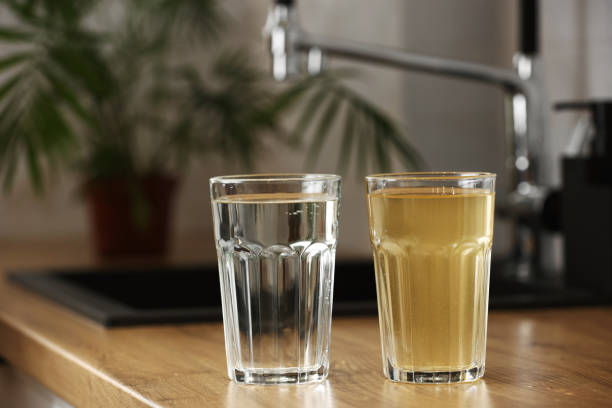
Clear water is not always enough information, and boiling does not solve every problem. The safest path is to identify the water source, test when risk factors exist, use cold water for drinking and formula preparation, follow official advisories, maintain filters properly, and ask a pediatrician when the baby’s health or feeding situation requires extra care. Formula preparation is a daily routine, and daily routines deserve water that parents can trust.