Private well water can feel simple and dependable because it comes from the property itself. Many homeowners like the independence of having their own well, especially in rural areas, older homes, farm properties, and places not connected to a public water system. But private wells also come with responsibility. Unlike public water systems, private wells are usually not monitored by a utility on a regular basis. That means the homeowner must pay attention to testing, maintenance, changes in water quality, and warning signs that something may be wrong.
The tricky part is that well water problems do not always look dramatic. Sometimes the water turns brown, cloudy, or smelly. Sometimes pressure changes or sediment appears. Other times, contaminants such as bacteria, nitrates, arsenic, PFAS, or pesticides may be present without obvious taste, color, or odor. A private well can look normal and still need testing. Homeowners who want to understand the bigger picture can start by reviewing common contaminant types and learning which problems are visible and which are hidden.
Warning Sign 1: Sudden Change in Taste
A sudden change in taste should never be ignored. Metallic, salty, bitter, earthy, chemical, or rotten-egg taste can point to different water conditions. A metallic taste may suggest iron, copper, corrosion, or other metals. A salty taste may suggest dissolved minerals or possible intrusion from certain sources. A chemical taste may be more concerning and should be taken seriously, especially if it appears suddenly.
Taste alone cannot diagnose the problem. It only tells you that something changed. If the taste is new, persistent, or affects multiple taps, testing is the best next step. Do not assume a filter pitcher will solve the issue. The right solution depends on what the test finds.
Warning Sign 2: Rotten-Egg Odor
A rotten-egg smell is often associated with sulfur or hydrogen sulfide. In some cases, the smell may come from the well water itself. In other cases, it may come from the water heater or plumbing. To narrow it down, check whether the smell appears in cold water, hot water, or both. If it happens only with hot water, the water heater may be involved. If it happens in cold water from multiple taps, the well or groundwater may deserve closer attention.
Rotten-egg odor is not always a major health emergency, but it should still be investigated. It can make water unpleasant to drink, cook with, or bathe in. It may also indicate conditions that require treatment or equipment maintenance. A professional test can help separate nuisance odor from a larger water quality issue.
Warning Sign 3: Sewage-Like Smell
A sewage-like odor is more concerning than a mild earthy or sulfur smell. Sometimes the odor may come from a sink drain rather than the water. A simple check is to fill a clean glass with cold water, step away from the sink, and smell the water away from the drain. If the water smells normal away from the sink, the drain may be the source. If the water itself smells sewage-like, stop using it for drinking and cooking until the issue is understood.
Sewage-like odor may raise concerns about septic system influence, surface water intrusion, bacterial contamination, or plumbing problems. Private wells near septic systems should be monitored carefully. The CDC recommends private well owners test their wells at least once a year for total coliform bacteria, nitrates, total dissolved solids, and pH, and more often when water changes in taste, odor, or appearance. Its guide on testing well water is an important resource for well owners.
Warning Sign 4: Cloudy or Milky Water
Cloudy water may be harmless air bubbles, but it can also point to sediment, well disturbance, or other water quality changes. Fill a clear glass and watch it for a few minutes. If cloudiness clears from the bottom upward, tiny air bubbles are likely. If particles settle at the bottom, the issue may involve sediment. If cloudiness remains or comes with odor, color, or illness concerns, testing is important.
Cloudy well water after heavy rain, flooding, well work, or pump repair deserves attention. Surface water or sediment may be entering the system. If bacteria are possible, do not rely on appearance alone. Use proper laboratory testing and follow local health guidance.
Warning Sign 5: Brown, Yellow, or Rusty Water
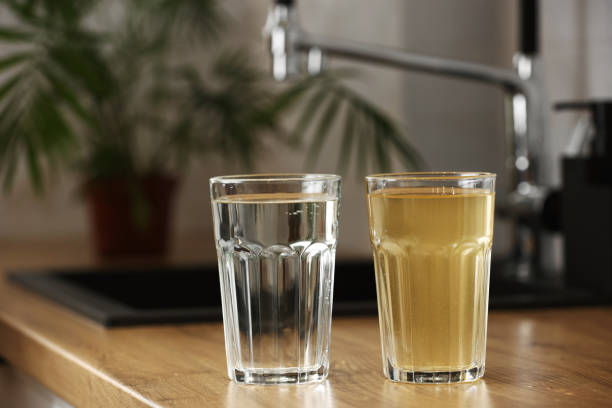
Brown, yellow, or rusty water may come from iron, manganese, sediment, corrosion, or disturbance in the well or plumbing. Sometimes it appears after a pump repair, pressure change, or heavy water use. In wells, discoloration can also be connected to the aquifer, casing issues, or sediment being pulled into the system.
Discolored water may be described as aesthetic in some cases, but it still deserves attention if it repeats or does not clear. It can stain laundry, clog fixtures, affect taste, and suggest that the well or treatment system needs maintenance. If discoloration appears suddenly after flooding or nearby construction, treat it more seriously and consider bacteria testing along with metals or sediment analysis.
Warning Sign 6: Black Particles or Grit
Black particles, sand, grit, or flakes in well water can point to several issues. Sand may suggest well screen problems, pump placement issues, or sediment entering the well. Black particles may come from manganese, rubber components, filter media, or plumbing parts. White flakes may be mineral scale, especially from hot water.
Particles should be documented. Collect water in a clear glass, note whether particles float or sink, and check whether they appear in hot water, cold water, or both. If particles appear after a filter change, the filter may be involved. If they appear throughout the home, the well, pressure tank, plumbing, or treatment equipment may need inspection.
Warning Sign 7: Water Changes After Heavy Rain or Flooding
Heavy rain and flooding are major warning moments for private wells. Floodwater, surface runoff, animal waste, septic overflow, and soil contamination can affect wells, especially if the well cap, casing, or surrounding grading is damaged. Water may look cloudy, smell different, or taste unusual after a storm, but contamination can also be invisible.
If floodwater reaches the well, do not drink the water until it has been properly evaluated. The EPA provides information on protecting private drinking water wells and recommends testing after flooding or suspected contamination. Homeowners can review EPA’s private drinking water wells resources for guidance. After a major storm, bacteria testing is especially important.
Warning Sign 8: Nearby Septic Problems
Private wells and septic systems often exist on the same property. If the septic system is failing, backing up, overflowing, or located too close to the well, water quality may be at risk. Warning signs include sewage odors, soggy areas near the drain field, slow drains, septic backups, or well water testing positive for bacteria or nitrates.
Nitrates are especially important because they may not change water taste or appearance. They can enter groundwater from septic systems, fertilizer, animal waste, and agricultural runoff. Infants are especially vulnerable to nitrate problems. If babies, pregnant people, or young children live in the home, nitrate testing should be treated as a priority.
Warning Sign 9: Illness After Drinking the Water
If several people in the home develop stomach illness after drinking well water, do not dismiss it. Stomach symptoms can have many causes, but contaminated water is one possibility. Bacteria, viruses, or parasites can enter wells through surface water, septic problems, flooding, or structural damage.
If illness appears connected to water, stop using the well for drinking and cooking until testing is completed and guidance is received. Contact a healthcare provider for medical concerns and a local health department or certified lab for water testing direction. Water-related illness should not be handled with guesswork.
Warning Sign 10: A New Baby or Pregnancy in the Home
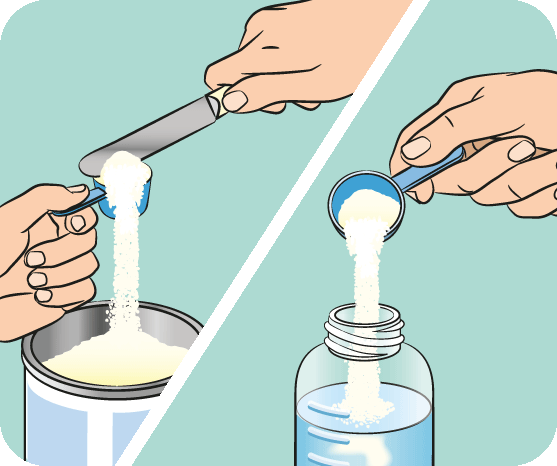
A new baby, pregnancy, or infant formula preparation changes the level of caution needed. Water that adults have used for years may still need updated testing when an infant is involved. Nitrates, bacteria, lead, arsenic, and other contaminants can matter more for babies and pregnant people.
Boiling water does not remove nitrates, lead, arsenic, PFAS, or many chemicals. It may help during certain bacteria-related instructions, but it is not a universal fix. Testing is the safer path. Families can also review health impacts to understand why some contaminants are especially important for infants and pregnant people.
Warning Sign 11: Nearby Farming or Chemical Use
Homes near farms, nurseries, golf courses, livestock areas, or heavy fertilizer use may need additional well testing. Agricultural runoff can carry nitrates, pesticides, herbicides, and bacteria into groundwater depending on soil, rainfall, well depth, and local conditions. Water may still look clear while these contaminants are present.
If your property is near agricultural activity, ask a certified lab or local health department which additional tests make sense for your area. A basic bacteria test may not include pesticides. A nitrate test may not include arsenic. Testing should match local risk.
Warning Sign 12: Industrial or Fuel Activity Nearby
Wells near industrial sites, gas stations, landfills, dry cleaners, machine shops, military sites, airports, or chemical storage areas may need more specific testing. Fuel, solvents, PFAS, volatile organic compounds, and other chemicals may require targeted analysis. These contaminants are not always covered in a standard well test.
If water smells like fuel, solvent, gasoline, or chemicals, stop using it for drinking and cooking and seek guidance quickly. Strong chemical odors should never be brushed aside as a normal well issue. Use official local environmental information, health department guidance, and certified testing when industrial contamination is possible.
Warning Sign 13: Old or Damaged Well Components
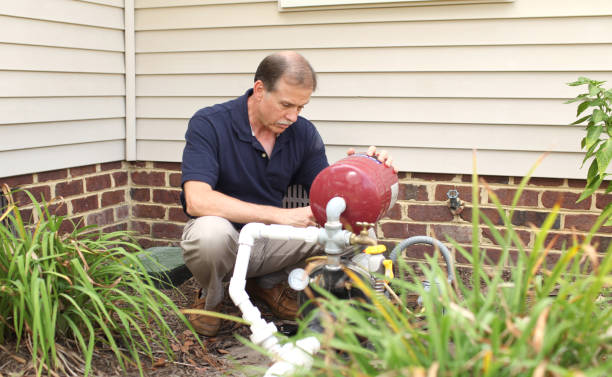
A well is not just a hole in the ground. It includes a cap, casing, pump, pressure tank, electrical components, piping, and sometimes treatment equipment. If the well cap is cracked, missing, loose, or below flood level, contamination risk may increase. If the casing is damaged or the area around the well slopes toward it, surface water may enter more easily.
Homeowners should inspect visible well components regularly and keep the area around the well clean. Do not store chemicals, fuel, pesticides, or animal waste near the well. If the well is old and has not been inspected in years, a professional well inspection may be worthwhile.
Warning Sign 14: Treatment Equipment That Has Not Been Maintained
Many well homes use treatment equipment such as softeners, sediment filters, UV systems, neutralizers, reverse osmosis units, carbon filters, or iron filters. These systems can help, but only when maintained. A dirty filter, expired UV lamp, empty softener, clogged sediment cartridge, or neglected treatment unit can stop working properly.
If water quality changes, check your treatment equipment. When was the cartridge replaced? Is the UV lamp working? Is the softener using salt properly? Is the pressure tank functioning? The solution may not be a new filter. It may be proper maintenance of the system already installed. For treatment planning, review available solutions after testing confirms the issue.
Warning Sign 15: Your Well Has Not Been Tested in Years
The absence of symptoms is not proof that a well is safe. If the well has not been tested in years, that alone is a warning sign. Groundwater conditions can change. Nearby land use can change. Septic systems can age. Flooding can happen. Plumbing and treatment equipment can deteriorate.
At minimum, annual testing for bacteria, nitrates, total dissolved solids, and pH is a practical baseline for many private wells. Additional tests may be needed based on location. The FAQ page can help homeowners organize common testing questions before contacting a lab or local health department.
What to Do When a Warning Sign Appears
When a warning sign appears, start by protecting drinking and cooking water. If the water smells strongly chemical, sewage-like, or fuel-like, or if it appears contaminated after flooding, avoid using it until guidance is received. Document the issue with photos, dates, weather conditions, and which taps are affected. Check whether the problem appears in hot water, cold water, or both.
Then choose testing based on the warning sign. Bacteria and nitrates are essential for many well concerns. Metals may matter if the water is discolored or metallic. Arsenic may matter based on region. PFAS or solvents may matter near known contamination sites. A certified lab can help you select the right test panel.
The Bottom Line
Private well water warning signs include sudden changes in taste, rotten-egg odor, sewage-like smell, cloudy water, brown or rusty water, black particles, changes after flooding, septic problems, illness after drinking water, pregnancy or a new baby in the home, nearby farming, industrial activity, damaged well components, neglected treatment systems, and wells that have not been tested in years.
Well water can be excellent, but it requires attention. Do not rely only on appearance. Test regularly, maintain the well, protect the area around it, service treatment equipment, and respond quickly when water changes. A private well gives homeowners control, but that control comes with responsibility. The safest well is one that is tested, maintained, and taken seriously before small warning signs become bigger problems.