When a water advisory is announced, most people focus on getting through the immediate disruption. They boil water, buy bottled water, avoid using the tap, check official updates, and wait for the notice to be lifted. But once the advisory ends, many households are unsure what to do next. Is the water immediately safe to drink? Should the taps be flushed? What about refrigerator water lines, ice makers, filters, coffee machines, baby bottles, pets, and private treatment systems? The end of an advisory can bring relief, but it should also trigger a careful reset.
A water advisory may happen because of a water main break, pressure loss, flooding, contamination concern, treatment issue, bacteria detection, chemical incident, or other system disruption. The exact steps after the advisory depends on the type of advisory and the official instructions. A boil water advisory is different from a do-not-drink advisory or a do-not-use advisory. Families should always follow local health department or utility guidance first. Still, there are practical steps every household can understand. If you are still learning how different issues affect water, start by reviewing common contaminant types so you know why different advisories require different responses.
First, Confirm the Advisory Is Officially Lifted
Do not assume the advisory is over because the water looks normal or because a neighbor says it is fine. Wait for official confirmation from your water utility, local government, health department, emergency alert system, or trusted public notice. Water can look clear before testing confirms that it meets safety requirements again.
The CDC explains that during a boil water advisory, people should follow local public health guidance and use safe water for drinking, food preparation, brushing teeth, and other household needs. Their guide on boil water advisories is a helpful reference because it explains why official instructions matter. Once the advisory is lifted, read the end notice carefully. It may include flushing instructions, appliance guidance, or special instructions for businesses, healthcare facilities, schools, and high-risk households.
Understand What Kind of Advisory It Was
Not all water advisories mean the same thing. A boil water advisory usually means water may contain germs and should be boiled before drinking or certain uses. A do-not-drink advisory may mean boiling will not make the water safe, often because of chemical contamination. A do-not-use advisory is more serious and may mean the water should not be used even for bathing, washing, or flushing in some situations.
This distinction matters after the advisory ends. If the issue was bacteria, flushing and cleaning food-contact surfaces may be important. If the issue was chemical contamination, official instructions may be more specific and may include disposal, flushing, or testing guidance. Do not apply boil-water habits to chemical concerns. Boiling does not remove lead, PFAS, nitrates, arsenic, or many industrial chemicals.
Flush Household Plumbing Carefully
After an advisory ends, utilities may advise customers to flush household plumbing. Flushing helps clear water that sat in pipes during the advisory and brings fresh water into the home. The exact method depends on the advisory and local instructions, but many households start by running cold water taps for several minutes.
Use cold water first. Start with the lowest-level faucet if possible, then move through other taps. Flush each cold-water tap until the water runs clear and cold. Avoid using hot water first because you do not want to pull questionable water into the water heater or stir sediment unnecessarily. If your utility gives specific flushing times, follow those instructions instead of guessing.
Do Not Forget Faucet Aerators
Faucet aerators are small screens at the end of many faucets. They can collect sediment, particles, and debris during water main breaks, pressure changes, or flushing events. After an advisory, it may be useful to remove aerators, rinse them, and reinstall them before or after flushing, depending on local guidance.
If the aerator contains rust-colored debris, grit, or unusual particles, take a photo and continue to monitor the water. One-time sediment after a main break may clear, but repeated debris may suggest a plumbing or distribution issue that deserves attention. Aerators are small, but they can reveal what moved through the line.
Flush Refrigerator Water Lines
Refrigerator water dispensers and ice makers can hold water from the advisory period. Once the advisory is lifted, follow the manufacturer’s instructions for flushing the refrigerator water line and replacing filters if needed. Many refrigerators require several gallons of water to be flushed through the dispenser before normal use resumes.
Throw away ice made during the advisory and the first batches made after service returns. Clean the ice bin if needed. If your refrigerator has a water filter, check whether the manufacturer or local utility recommends replacing it after the advisory. A filter that held contaminated water may not be something you want to keep using without guidance.
Replace or Check Water Filters
Household filters can be affected by water advisories, especially if the advisory involved bacteria, sediment, or contamination that the filter was not designed to handle. Pitcher filters, faucet filters, refrigerator filters, under-sink systems, reverse osmosis units, and whole-house filters may need flushing, cartridge replacement, or professional service.
The EPA explains that home water treatment devices are designed for specific contaminants and need proper maintenance. Its home drinking water filtration fact sheet is useful for understanding filter limits. If the advisory involved chemicals, bacteria, or heavy sediment, do not assume your filter handled everything. Check manufacturer instructions and local guidance.
Clear Ice Makers and Coffee Machines
Ice makers, coffee machines, espresso machines, water kettles, humidifiers, and countertop appliances may contain water from the advisory period. Empty and clean them as appropriate. Run fresh water through appliances according to the manufacturer’s instructions. For coffee machines, discard water in the reservoir and run a cleaning cycle if recommended.
Any appliance that stores water should be treated as part of the household reset. This is especially important in homes where water was used accidentally during the advisory. If the water was under a do-not-use or chemical advisory, appliance handling may require specific official guidance.
Flush and Check the Water Heater Carefully
Water heaters can be complicated after an advisory. In many cases, official guidance will tell residents whether the water heater needs attention. Do not drain or flush a water heater casually unless you know what you are doing or have professional guidance. A water heater can contain hot water, pressure, sediment, and components that require safe handling.
If the advisory involved widespread sediment, pressure loss, or contamination, ask the utility or a plumber whether the water heater needs flushing. If only cold-water taps were affected by instructions, do not assume the hot-water system is automatically part of the same process. In apartments, building management may need to handle hot-water systems.
Run Dishwashers and Washing Machines Empty if Needed
After a boil water advisory, some households run the dishwasher empty on a hot cycle before using it for dishes again. Washing machines may also need a rinse cycle if discolored water entered the system. If water was brown or full of sediment, check appliance screens or filters where applicable.
Do not wash baby bottles, pump parts, dishes, or food-contact items with water until the advisory is lifted and household flushing is complete. If items were washed during the advisory, rewash or sanitize them according to safe guidance. Families can review health impacts to understand why bacteria and chemical concerns require different levels of caution.
Throw Away Contaminated Ice and Questionable Prepared Drinks
Any ice made during the advisory should be discarded. Drinks made with tap water during the advisory should also be discarded unless official guidance says otherwise. This includes pitchers of water, iced tea, lemonade, baby formula, homemade ice pops, and any food prepared with unsafe water.
If the advisory was chemical-related, be even more cautious. Boiling does not remove many chemicals, and prepared foods or drinks may not be safe just because they were heated. Follow local health department instructions for disposal and food safety.
Baby Formula Needs Extra Care
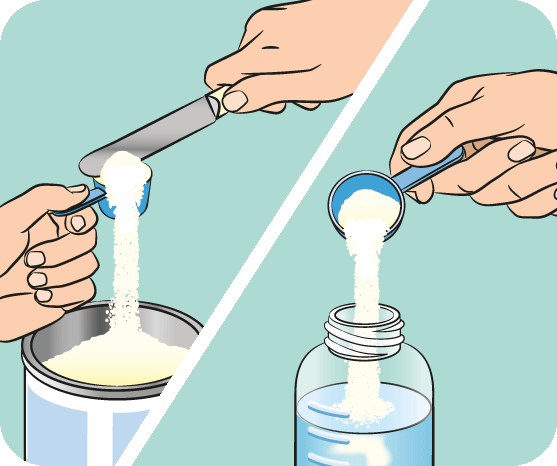
Families with infants should be especially careful after a water advisory. If baby formula was prepared with water during the advisory, ask a pediatrician or local health department what to do. If the advisory is lifted, flush taps, replace filters if instructed, and use safe water according to formula and medical guidance.
The CDC provides guidance on safely preparing and storing powdered infant formula, including using safe water and clean bottles. Its page on infant formula preparation and storage is useful for parents. Families can also use solutions to understand when filtration, bottled water, or testing may be needed after an advisory.
Pets Need Safe Water Too
Pets can also be affected by unsafe water. During an advisory, pets should generally receive safe water unless official guidance says otherwise. After the advisory ends, empty and wash pet bowls before refilling them with flushed tap water. If pets drank questionable water and show signs of illness, contact a veterinarian.
Pet bowls are easy to forget because the main focus is usually drinking water for people. But if a bowl was filled during the advisory, discard the water and clean the bowl. The household reset should include every place water was stored or used.
Watch for Discoloration After Service Returns
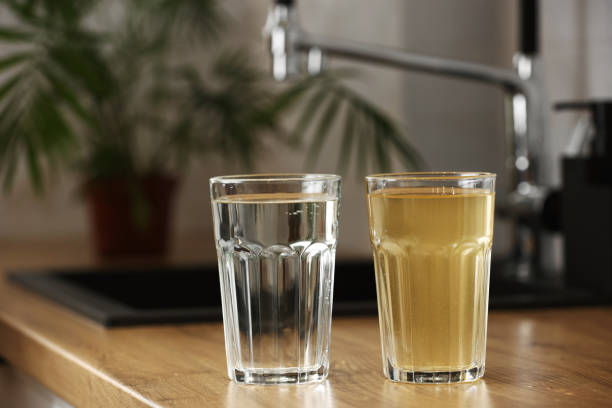
After a water main break, pressure issue, or flushing event, water may temporarily appear cloudy, brown, yellow, or contain sediment. Sometimes this clears after running cold water. But if discoloration continues, appears with odor, includes particles, or returns repeatedly, report it to the water utility or building manager.
Do not drink visibly discolored water until the cause is understood and it clears. If the water remains brown or cloudy after official flushing instructions, take photos, note the time, and report the issue. The FAQ page can help organize common follow-up questions before contacting someone.
Apartment Buildings May Need Building-Level Flushing
In apartment buildings, condos, co-ops, schools, offices, and commercial properties, flushing one unit may not be enough if the building plumbing held stagnant or advisory-affected water. Building management may need to flush shared lines, tanks, risers, fountains, ice machines, hot-water systems, or amenity spaces.
Residents should ask building management whether building-level flushing was completed after the advisory. If water problems remain in one unit or one line, report the details. Include whether the issue affects hot water, cold water, one faucet, or all fixtures. Large buildings can hold water in ways that single-family homes do not.
Private Well Owners Need Testing Before Returning to Normal
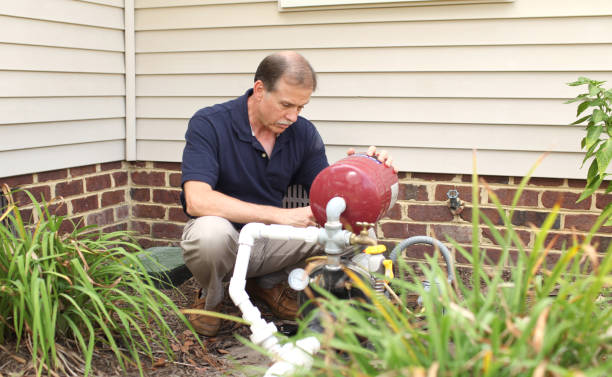
If the advisory or water concern involved a private well, do not assume everything is fine because the water looks clear again. Flooding, storm damage, septic issues, or well repairs may require disinfection and testing before the water is used normally. Private wells are not automatically cleared by a public utility.
The CDC recommends testing wells after flooding or when there are changes in taste, odor, or appearance. Private well owners should follow local health department guidance, disinfect the well if recommended, and confirm results through testing. For ongoing concerns, use the contact page for general direction, while urgent safety issues should go to local officials or certified professionals.
Check Point-of-Use Treatment Systems
Reverse osmosis systems, under-sink filters, UV systems, softeners, carbon filters, and sediment filters may need attention after an advisory. If the system has a storage tank, the tank may need flushing. If the system uses cartridges, they may need replacement. If the system uses UV light, make sure it is functioning properly.
Do not assume a treatment system automatically protects you from every advisory. Treatment systems are designed for specific contaminants. A UV system may help with certain microorganisms but will not remove chemicals. A carbon filter may improve taste but may not remove nitrates. A softener does not make contaminated water safe. Check system instructions and professional guidance.
Clean Food-Contact Surfaces
If unsafe water was used during the advisory, clean food-contact surfaces after the advisory is lifted. This may include countertops, cutting boards, bottle-prep areas, sink areas, and dish racks. If dishes were washed during the advisory, rewash them with safe water or sanitize according to guidance.
This is especially important for households with babies, pregnant people, older adults, or immune-compromised family members. When water safety has been disrupted, the reset should include both plumbing and the surfaces where food and drinks are prepared.
Review What Happened and Prepare for Next Time
After the advisory ends, take a few minutes to review what worked and what did not. Did the household have enough bottled water? Did everyone know not to use the tap? Were baby formula instructions clear? Did pets have safe water? Were filters replaced? Did you receive alerts quickly? This review can make the next advisory less stressful.
Keep a small emergency water supply if possible. Save utility alert links. Know where your main water shutoff is. Keep replacement filters available if your household depends on them. Store a few clean containers for water if needed. Preparation does not mean expecting disaster. It means making temporary disruptions easier to manage.
When to Test After an Advisory
Testing after an advisory may be useful if water remains discolored, smells unusual, has particles, affects vulnerable household members, comes from a private well, or if the advisory involved a contaminant that could affect household plumbing or treatment equipment. Public utilities usually test before lifting advisories, but household plumbing can still create separate concerns.
For private wells, testing is especially important after flooding or suspected contamination. For older homes, lead and copper may be worth checking if pressure changes, stagnation, or plumbing disturbance occurred. Testing should match the concern. Random testing may miss the issue that matters most.
The Bottom Line
When a water advisory ends, do not simply turn on the tap and return to normal without reading the official instructions. Confirm the advisory is lifted, understand what type of advisory it was, flush household plumbing if advised, clean aerators, discard old ice, flush refrigerator lines, check filters, reset appliances, clean food-contact surfaces, and take extra care with baby formula, pets, and private wells.
The end of an advisory is a relief, but it is also a reset moment. Water may be safe at the system level, but your household plumbing, filters, appliances, and stored water may still need attention. Calm follow-up steps help families return to normal with more confidence and fewer lingering questions.