Many families only start thinking about water contamination when something obvious happens. The water turns brown. The sink smells strange. A metallic taste appears. A neighbor mentions a local water issue. A boil water advisory shows up. But some of the most important water contaminants do not announce themselves clearly. They may not change the color, smell, or taste of the water at all. That is why hidden water contaminants can be so difficult for homeowners, renters, and private well users to understand.
Hidden contaminants are not always dramatic, but they can still matter. Lead, PFAS, nitrates, arsenic, bacteria, pesticides, copper, solvents, and other substances may be present depending on the water source, plumbing, nearby land use, and local history. Some are more common in private wells. Some are connected to older plumbing. Some are linked to industrial or agricultural activity. The first step is learning what can be hidden in water and why testing matters when visual clues are not enough. A helpful starting point is the guide to common contaminant types, which explains how different contaminants can affect water in different ways.
Why Hidden Contaminants Are So Easy to Miss
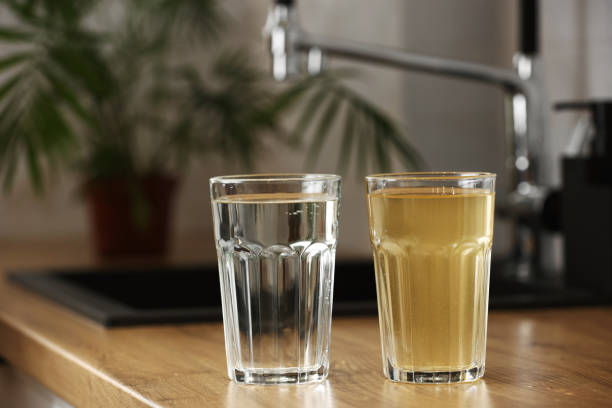
Most people judge water with their senses. If it looks clear, smells normal, and tastes fine, they assume it is safe. That is understandable, but it is not always enough. Many contaminants are invisible at levels that may still matter. Lead does not usually make water brown. PFAS does not create a strong smell. Nitrates may be present without taste. Arsenic can be naturally present in groundwater without obvious warning signs. Some bacteria may appear only after flooding, well damage, or plumbing issues.
This is why water quality cannot always be judged from a glass alone. Sensory clues are useful, but they are incomplete. If a home has older plumbing, a private well, nearby industrial activity, agricultural runoff, or a known local advisory, testing may be the only way to know what is actually present.
Lead: Clear Water Can Still Be a Risk
Lead is one of the most important hidden drinking water concerns because it often comes from plumbing materials rather than the water source itself. Lead can enter water through lead service lines, old solder, brass fixtures, and older faucets. The water may look completely normal, which makes lead easy to overlook.
The Centers for Disease Control and Prevention explains that no safe blood lead level has been identified in children and that lead can enter drinking water through plumbing materials. Their guidance on lead in drinking water is useful for families in older homes or buildings. If your home was built before modern plumbing standards or if you do not know whether a lead service line is present, lead testing can provide clearer answers.
Practical steps can help reduce risk. Use cold water for drinking and cooking. Let water run if it has been sitting in pipes for several hours. Clean faucet aerators. Use filters certified for lead reduction if needed. But these steps should not replace testing when lead is a serious concern.
PFAS: The Contaminants You Cannot Taste
PFAS are often called “forever chemicals” because many of them persist in the environment. They have been used in products such as firefighting foam, nonstick coatings, stain-resistant materials, and industrial processes. PFAS can reach groundwater, surface water, and drinking water sources in some communities.
One reason PFAS feels especially concerning is that it does not usually create obvious household clues. A family cannot look at water and know whether PFAS is present. There may be no odor, no color, and no immediate taste change. The U.S. Environmental Protection Agency provides information on PFAS and drinking water concerns, including why these chemicals are being studied and regulated more closely.
If your community has known PFAS issues, nearby industrial activity, military or airport firefighting foam history, or public notices about contamination, testing and certified treatment may be worth considering. Treatment systems such as reverse osmosis, activated carbon, or ion exchange may reduce certain PFAS when properly selected and maintained, but the right solution depends on actual test results.
Nitrates: A Special Concern for Infants
Nitrates are especially important for private well owners and families with infants. Nitrates can enter groundwater from fertilizer, septic systems, animal waste, and agricultural runoff. Water with high nitrate levels may look and taste normal, which makes it a hidden concern.
The CDC recommends private well owners test at least once a year for total coliform bacteria, nitrates, total dissolved solids, and pH. Their guide on testing well water is especially helpful for families who rely on wells. Nitrates are particularly concerning for babies because they can interfere with the blood’s ability to carry oxygen.
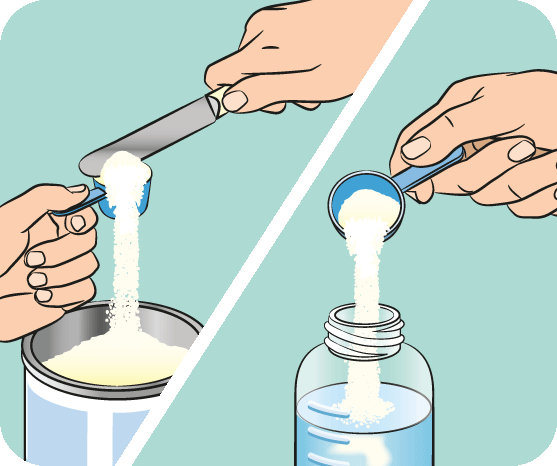
If you use private well water and have a baby in the home, or if you are preparing infant formula, nitrate testing should not be skipped. Boiling water does not remove nitrates and can actually concentrate them as water evaporates. Testing and proper treatment are the safer path.
Arsenic: Naturally Occurring but Still Important
Arsenic can occur naturally in rocks and soil and may enter groundwater in certain regions. It can also be linked to industrial and agricultural sources. Like many hidden contaminants, arsenic often has no noticeable taste, smell, or color in drinking water.
Private wells are especially important here because they are not monitored by public water utilities. If arsenic is a known issue in your region, testing is the only reliable way to know whether it is present. Long-term exposure to arsenic in drinking water can create health concerns, so it should not be ignored simply because the water appears normal.
Not every filter removes arsenic. Treatment may require specific systems, such as reverse osmosis or other technologies designed for arsenic reduction. The solution should always match the contaminant and the level found in testing.
Bacteria: Not Always Obvious at First
Bacteria contamination can sometimes cause odor, cloudiness, or illness, but it may also be missed without testing. Total coliform bacteria can indicate that a water system may be vulnerable to contamination. E. coli is more serious because it can indicate fecal contamination.
Private wells can become contaminated after flooding, heavy rain, septic system problems, damaged well caps, nearby animal waste, or poor well construction. Public water systems are monitored, but building plumbing, storage tanks, or temporary pressure issues can still create concerns in certain situations.
If water has a sewage-like smell, if a well has flooded, if multiple people in the home have stomach illness, or if a private well has not been tested recently, bacteria testing is important. A bacteria problem requires a different response from a metals problem. This is why identifying the specific contaminant matters before choosing a solution.
Copper: Often a Plumbing-Related Issue
Copper can enter water through copper pipes and plumbing corrosion. At low levels, it may create a metallic taste or blue-green staining on fixtures. At higher levels, it can create health concerns. Like lead, copper is often connected to plumbing conditions inside the home or building.
Blue-green stains around sinks, tubs, or drains may be a clue, but copper can still be present without dramatic staining. Water chemistry, pipe age, corrosion control, and stagnation can all affect copper levels. If a home has metallic taste, staining, or new plumbing concerns, copper testing may be useful.
Because copper and lead can both be connected to corrosion, testing may include both when older plumbing or unusual taste is part of the concern. Families can review possible health impacts to understand why different metals require different levels of concern.
Pesticides and Agricultural Runoff
Homes near farms, lawns, golf courses, nurseries, or areas with heavy fertilizer and pesticide use may have different water concerns than homes in dense urban neighborhoods. Pesticides and agricultural chemicals can enter groundwater or surface water through runoff, spills, or long-term land use patterns.
These contaminants are not always easy to detect without targeted testing. A standard basic water test may not include pesticides. If your home has a private well near agricultural land or if local environmental reports mention pesticide concerns, ask a certified lab which tests are appropriate.
Testing should match the local risk. A rural well near crop activity may need different analysis than an apartment with old plumbing or a home near an industrial site. This is why water contamination guidance should never be one-size-fits-all.
Solvents and Industrial Chemicals
Some hidden contaminants come from industrial activity, dry cleaning chemicals, fuel leaks, manufacturing, landfills, storage tanks, or chemical spills. These contaminants may affect groundwater or nearby water sources depending on the location and history of the area.
In some cases, chemical contamination may create odor or taste. In other cases, it may not be obvious. If water smells like fuel, solvent, gasoline, or chemicals, it should be taken seriously. Do not drink or cook with water that has a strong chemical odor until the source is understood.
Homes near known contamination sites should rely on official environmental reports, public health guidance, and targeted testing. A basic home filter may not be enough for industrial chemicals unless it is certified for the specific contaminant.
Why Private Wells Need Regular Testing
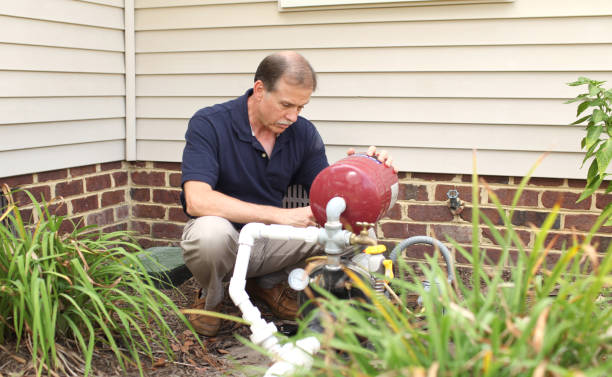
Private wells are a major hidden-contaminant concern because the homeowner is usually responsible for testing and maintenance. Unlike public water systems, private wells do not automatically receive routine government monitoring. A well can be affected by groundwater changes, flooding, nearby septic systems, land use, construction, or damage to the well structure.
At minimum, private well owners should follow recommended annual testing for bacteria, nitrates, total dissolved solids, and pH. Depending on location, additional testing for arsenic, lead, pesticides, PFAS, uranium, radon, or other local contaminants may be appropriate. The safest testing plan is based on local geology, land use, and household needs.
Why Public Water Customers Should Still Pay Attention
Public water systems are regulated, treated, and monitored, but customers should still pay attention to household-level issues. The water may meet standards when it leaves the utility, but building plumbing can affect what reaches the tap. Lead service lines, old fixtures, building pipes, and water heaters can change the final water quality inside a home.
Public water customers should review their annual water quality report, also called a Consumer Confidence Report. This report explains what was detected in the water system and whether the system met standards. However, if your concern is specific to your home plumbing, your own testing may still be needed.
Testing Should Be Based on Risk
Hidden contaminants require targeted testing. The best test depends on your risk factors. Older plumbing may point toward lead and copper. Private wells may need bacteria and nitrate testing. Agricultural areas may need nitrate and pesticide testing. Known PFAS areas may need PFAS testing. A metallic taste may suggest metals. A rotten egg odor may suggest sulfur-related issues or a water heater condition.
Before ordering a test, write down your concern. Is the issue health-related, taste-related, plumbing-related, well-related, or advisory-related? Then choose testing that answers that question. Random testing can waste money and still miss the contaminant that matters most.
Filters Must Match the Contaminant
One of the biggest mistakes homeowners make is buying a filter before testing. A filter that improves taste may not remove lead. A softener may not remove bacteria. A UV system may help with certain microorganisms but not metals or PFAS. Reverse osmosis may reduce many contaminants, but it requires maintenance and may not be necessary for every home.
Use the solutions section to think about treatment options after identifying the contaminant. Look for products certified by recognized standards for the specific substance you want to reduce. Replace cartridges on time. Maintain treatment systems properly. A neglected filter can become part of the problem.
Warning Signs That Should Not Be Ignored
Even hidden contaminants may come with indirect warning signs. Repeated stomach illness, infant feeding concerns, old plumbing, private well flooding, nearby chemical spills, official advisories, unusual taste, chemical odor, blue-green staining, brown water, or persistent particles should all prompt questions. A sudden change in water should be documented, especially if it affects multiple fixtures or lasts more than a short time.
If water may be unsafe, avoid drinking or cooking with it until you understand the issue. Follow local health department or utility guidance. If a boil water advisory is issued, follow it carefully. If lead, PFAS, nitrates, or chemicals are the concern, boiling may not solve the problem. Different contaminants require different responses.
How to Create a Hidden-Contaminant Checklist
A simple checklist can help families stay calm and practical. First, identify your water source: public water or private well. Second, check your home age and plumbing history. Third, review any local water quality reports or advisories. Fourth, look for visible clues such as staining, odor, particles, or discoloration. Fifth, decide whether household needs increase concern, such as pregnancy, infants, young children, older adults, or immune-compromised family members.
Then choose testing based on risk. For private wells, follow annual testing guidance and add local-risk contaminants. For older homes, consider lead and copper. For known contamination areas, test for the specific issue. Use the FAQ page to organize common questions, and use the contact page when more direction is needed.
The Bottom Line
Hidden water contaminants often go unnoticed because they do not always change how water looks, smells, or tastes. Lead, PFAS, nitrates, arsenic, bacteria, copper, pesticides, and industrial chemicals can all require testing to detect. Clear water is reassuring, but it is not proof that every contaminant is absent.
The best approach is not panic. It is informed action. Know your water source. Understand your home’s plumbing. Review local reports. Test private wells regularly. Match testing to the concern. Choose treatment only after identifying the contaminant. Hidden contaminants are easier to manage when families stop relying only on appearance and start asking better questions about source, plumbing, risk, and results.