
What to Do After a Water Advisory Ends
‹ ADVERTISEMENT ADVERTISEMENT When a water advisory is announced, most people focus on getting through the immediate disruption. They boil

Water contamination remains one of the most widespread environmental and public health challenges of the 21st century. Even with modern infrastructure and decades of improvements, many communities across the United States still face risks from unsafe drinking water. Contaminants can enter water supplies through industrial discharge, agricultural runoff, aging plumbing systems, and natural geological processes. In older urban areas, water testing for lead contamination in the Bronx can be especially important for identifying potential lead exposure caused by aging pipes, fixtures, or service lines. Once contaminants enter a water system, they may persist for years and accumulate in groundwater or distribution networks, making regular testing an important part of protecting water quality and public health.
Water pollution causes disease, economic losses, and erodes trust in public utilities. High-profile cases like Flint, MI, and Jackson, MS, show vulnerabilities in both urban and rural systems.
Contaminants range from heavy metals (lead, arsenic) and industrial chemicals (PFAS, VOCs) to bacteria, viruses, and protozoa. Even minor issues like iron or manganese can indicate deeper problems.
Ensuring safe water requires regular testing, transparency, and modernized treatment systems. Clean, reliable water depends on proactive measures and ongoing monitoring.
Despite strict federal and state regulations, water contamination can still occur because laws alone cannot eliminate every potential risk. The Safe Drinking Water Act (SDWA) and similar regulatory frameworks establish enforceable limits for known contaminants, but aging infrastructure, enforcement gaps, and emerging pollutants can still create vulnerabilities. For homeowners and property managers, water testing for lead contamination in Queens can help identify potential lead exposure from older plumbing, service lines, and fixtures. Regular testing, proper maintenance, and ongoing education about water safety remain important steps in protecting drinking water quality.

One major factor is aging infrastructure. Many U.S. cities rely on water mains and service lines that are more than 50 years old. Corrosion inside these pipes can release metals such as lead and copper into the water. Replacing outdated systems is costly and time-consuming, leaving many communities reliant on stopgap measures like corrosion control.


Water contamination can occur due to industrial discharge, agricultural runoff, aging pipes, natural minerals, and inadequate treatment systems. These pollutants can enter groundwater, rivers, and even home plumbing systems.
Most public systems meet federal standards, but issues still happen, as seen in Flint and Jackson. Aging infrastructure, emerging contaminants, and regional oversight gaps can still pose risks.
Common contaminants include heavy metals (lead, arsenic), PFAS chemicals, pesticides, nitrates, bacteria, viruses, and VOCs. Some affect health immediately, while others build up over time.
Laws exist, but aging infrastructure, industrial accidents, farm runoff, and new contaminants that aren’t yet regulated make complete prevention challenging.
The most reliable method is laboratory testing. Public systems publish annual water quality reports, but private well owners must test their own water regularly.
No. Private wells are not federally regulated, which means homeowners are responsible for testing and maintaining water quality.
Depending on the contaminant, risks range from gastrointestinal illness and skin irritation to long-term issues such as neurological damage, developmental delays, and increased cancer risk.
Communities can invest in infrastructure upgrades, adopt modern testing technology, enforce pollution controls, and educate residents on proper well maintenance and safe water practices.
‹ ADVERTISEMENT ADVERTISEMENT When a water advisory is announced, most people focus on getting through the immediate disruption. They boil
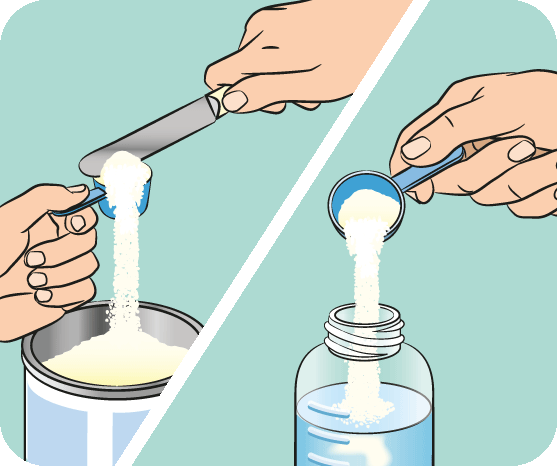
‹ ADVERTISEMENT ADVERTISEMENT Preparing baby formula can make water quality feel much more personal. Adults may drink tap water for
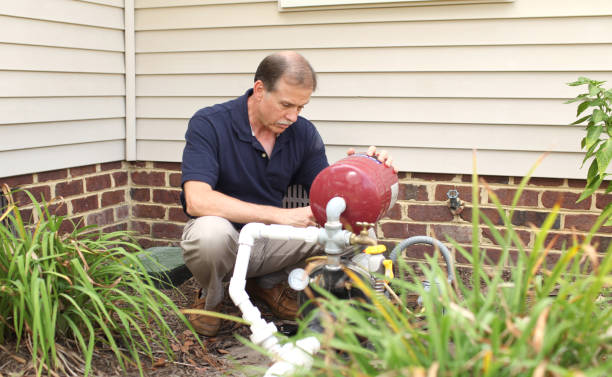
‹ ADVERTISEMENT ADVERTISEMENT Private well water can feel simple and dependable because it comes from the property itself. Many homeowners