For residents in the high-density neighborhoods of Jersey City or the historic brownstones of Hoboken, the morning ritual often begins with a glass of water. It is expected to be neutral, refreshing, and clean. However, a growing number of North Jersey homeowners are reporting a sharp, bitter, or distinctly metallic “copper penny” taste in their first few sips of the day.
While the immediate reaction is often to blame the municipal water supply, the science of urban water delivery in 2026 suggests a different culprit. More often than not, these off-flavors are the result of chemical reactions happening within the “last mile”—the pipes inside your building or the service line connecting you to the street. A bitter or metallic taste is rarely just an aesthetic nuisance; it is a primary indicator that your plumbing is actively corroding.
The Science of the “Metallic” Tang
When water tastes like metal, it is usually because it has literally become a solution of metals. In the older infrastructure of Staten Island and Hudson County, several contaminant types are the usual suspects:
- Copper Leaching: This is the most frequent cause of a bitter or medicinal taste. While copper is the industry standard for plumbing, slightly acidic or “aggressive” water can dissolve the interior of the pipes.
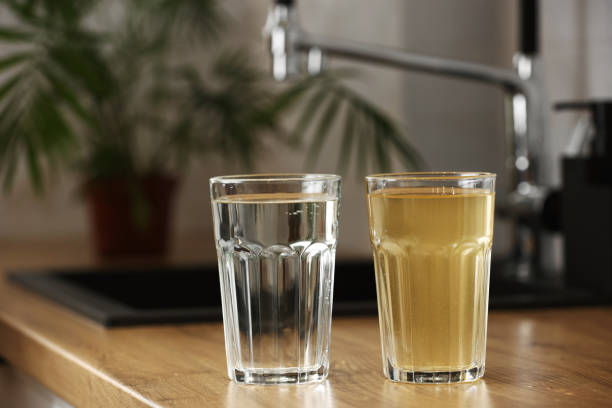
- Iron Oxidation: If the taste is accompanied by a faint yellowish tint, you are likely tasting rust from aging galvanized steel pipes or iron water mains.
- Zinc and Galvanized Fittings: Older homes often use galvanized pipes coated in zinc. As this coating wears away, it imparts a harsh, metallic bitterness to the water.
Interestingly, these tastes are often most prominent in the morning. This is due to stagnation time. When water sits motionless in your pipes for eight hours while you sleep, it has more “contact time” to react with the metal. By the time you turn on the tap, the concentration of dissolved metals is at its peak.
Corrosion: The Invisible Catalyst
Corrosion is an electrochemical process. In a city like Jersey City, where water chemistry can fluctuate due to seasonal changes in reservoirs or local treatment adjustments by the JCMUA, the balance of the water is delicate.
Several factors can turn your home’s plumbing into a corrosive environment:
- Low pH (Acidity): If water is slightly acidic, it acts as a solvent, eating away at metal surfaces.
- Dissolved Oxygen: High oxygen levels can accelerate the oxidation of iron and copper.
- Galvanic Corrosion: This occurs when two different metals (like a new copper pipe connected to an old galvanized one) touch. The interaction creates a tiny electrical current that causes the “less noble” metal to dissolve rapidly into the water.
The EPA regulates lead and copper strictly because of the potential health impacts of long-term exposure. While a metallic taste might just seem annoying, it is often the first warning sign that the protective “scale” inside your pipes has failed, potentially allowing lead from old solder joints to enter your drinking water.
Why Modern Condos Aren’t Exempt
One of the most surprising trends we see on the Water Contamination Guide blog is the report of metallic tastes in brand-new luxury condos. You would assume new pipes equal better taste, but new copper pipes actually require a “breaking-in” period.
During the first few months of use, new copper has not yet developed the thin layer of mineral scale that protects the metal from the water. Until that layer forms, the water is in direct contact with the raw copper, leading to a bitter taste that can be quite intense. If your “new” water tastes like pennies, it may simply be a matter of allowing the pipes to season—or it could indicate that the building’s water pressure is too high, physically scouring the pipes.
Diagnosing the Problem at Home
If you are experiencing a bitter or metallic taste, you can perform a simple diagnostic check before calling a professional. We often recommend this in our FAQ section:
- The Flush Test: Run your cold water for two minutes. If the metallic taste disappears, the source of the problem is your internal plumbing. If the taste persists even after a long flush, the issue may be with the city’s service line or the local water main.
- The Hot vs. Cold Test: If the taste is only in the hot water, your water heater’s “sacrificial anode rod” (usually made of magnesium or aluminum) may be depleted or reacting poorly with the water chemistry.
- The Aerator Check: Unscrew the screen at the end of your faucet. If you see small blue-green or orange flakes, your pipes are actively shedding their interior lining.
Long-Term Solutions for Clearer Taste
Once you’ve identified that corrosion is the cause, you have several solutions to restore the taste and safety of your water:
1. Point-of-Use Reverse Osmosis (RO) RO is the gold standard for removing dissolved metals. While a standard pitcher filter might catch some sediment, it won’t effectively strip away the dissolved copper or zinc ions that cause the bitter taste. An RO system uses a semi-permeable membrane to physically separate these ions from the water molecules.
2. Neutralizing Filters If your home’s water is naturally acidic, a whole-house neutralizing filter can raise the pH. By making the water less aggressive, you stop the corrosion at the source, protecting your pipes from pinhole leaks and your water from metallic flavors.
3. Pipe Replacement or Lining In older Hoboken brownstones, the only permanent solution may be replacing the localized galvanized “nipples” or stub-outs that are most prone to corrosion. Modern PEX (plastic) piping is immune to the types of corrosion that cause metallic tastes.
The Bottom Line: Listen to Your Senses
In the urban landscape of 2026, many people are told that their water is safe because it meets federal standards at the treatment facility. However, water quality is affected by the entire journey from the source to your tap. As water travels through miles of aging infrastructure and building plumbing systems, it can come into contact with materials that may impact its quality. For residents looking to understand potential risks, who can test my water for lead in NYC can help provide professional guidance and accurate testing solutions.
A bitter or metallic taste is your plumbing’s way of communicating. It is telling you that a chemical reaction is occurring that shouldn’t be. By addressing these tastes early, you aren’t just improving your morning coffee; you are protecting the structural integrity of your home and the long-term health of your family.
If you are concerned about persistent metallic tastes or want to verify the metal levels in your specific unit, please contact us today. We can provide you with information on localized testing kits and help you choose a filtration system that fits your home’s unique plumbing profile.