For many new homeowners in the Mile Square City, the first few weeks of residency are a whirlwind of furniture deliveries, neighborhood exploration, and the quiet satisfaction of finally “settling in.” Whether you’ve purchased a sleek condo in a newly developed high-rise near the North End or a painstakingly restored brownstone on a tree-lined street in the 07030 zip code, the expectation is one of modern luxury and functional reliability.
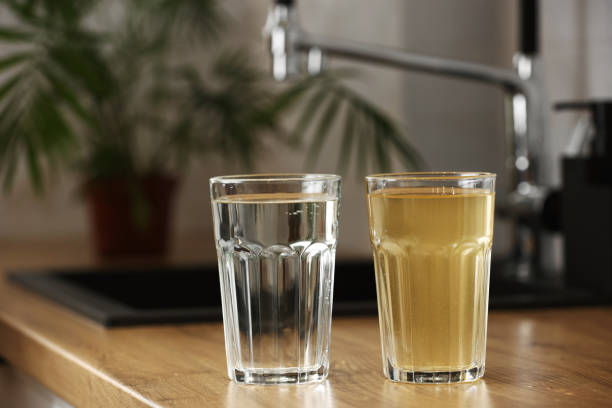
However, a growing number of recent Hoboken buyers are reporting an unsettling “welcome home” gift: sudden tap discoloration that appears two to four weeks after closing. The water, which looked pristine during the final walkthrough and the first few days of showers, begins to take on a yellow, orange, or even deep tea-colored hue.
This delayed discoloration isn’t just an aesthetic nuisance; it is a symptom of how Hoboken’s unique water chemistry interacts with home transitions. Understanding why this happens specifically to new owners is the first step in ensuring your investment—and your health—remains protected.
The “Stagnation Surge” and the New Owner Paradox
The most common reason for delayed discoloration in a new Hoboken home is actually linked to the period before you moved in. During the weeks (or months) between the previous owner moving out and the new owner moving in, the water in the home’s internal plumbing sits stagnant.
While the city’s water supply is constantly moving through the massive mains under Washington Street, the water inside a vacant condo is still. During this time, any residual chlorine dissipates, and the water begins to react with the interior of the pipes. If the building has older galvanized steel or copper pipes, the water slowly eats away at the metal, pulling iron and copper into the standing liquid.
When the new buyer moves in and begins running high volumes of water—doing multiple loads of laundry, running the dishwasher, and taking long celebratory showers—they create a “velocity surge.” This sudden rush of water strips the loosened contaminant types, such as rust and mineral scale, off the interior pipe walls. It often takes a few weeks of consistent use for this “loosened” material to fully work its way through the system and emerge at the tap.
The Role of Hoboken’s Historic Infrastructure
Hoboken is a city built on layers of history. While the interiors of our homes are often ultra-modern, the infrastructure supporting them is frequently a century old. Many of the service lines connecting homes to the city mains are made of lead or galvanized steel.
When a property changes hands, the water usage patterns change. A single professional might have used very little water, whereas a family of four moving into the same unit will triple the demand. This shift in demand can physically “vibrate” the service line, causing mineral deposits to flake off.
Furthermore, Hoboken’s soil is particularly dense and prone to shifts. Minor vibrations from nearby construction—a constant in 2026—can further disturb these aging pipes. The New Jersey Department of Environmental Protection has noted that even small physical disturbances to a service line can cause temporary spikes in discoloration and particulate matter.
Why Discoloration is More Than an “Aesthetic” Issue
It is easy to dismiss yellow water as “just rust,” but for a new homeowner, the health impacts of discolored water can be more complex. Discoloration is rarely just about iron; the particles that turn the water orange can act as “magnets” or transport vehicles for other, more dangerous substances.
- Lead Sequestration: If your home still has lead solder or a lead service line, the rust particles moving through your pipes can physically “trap” microscopic lead fragments and carry them into your drinking glass.
- Bacterial Biofilms: Stagnant water in a vacant home allows for the growth of biofilms—slimy layers of bacteria that cling to pipe walls. When the water turns brown, it often indicates that these biofilms are being sloughed off and entering your water stream.
- Appliance Degradation: For a buyer who just invested in a $3,000 smart refrigerator or a high-end Bosch dishwasher, this sediment is a mechanical nightmare. The fine grit can clog solenoids and ruin the seals of new appliances within weeks.
We often address the “Is it safe to drink?” question in our FAQ section, where the consensus is clear: if the water has color, it should be treated with caution until the source is identified.
Immediate Steps for New Hoboken Homeowners
If you’ve moved in and are seeing a sudden color shift after two or three weeks, don’t panic, but do take a proactive approach to “purging” your system:
- The High-Velocity Flush: Go to the tub closest to the water main (usually on the lowest floor) and run the cold water on full blast for 20 minutes. Then, repeat this at every tap in the house, moving from the bottom floor to the top.
- Inspect the Water Heater: Sediment often settles in the bottom of the water heater during the vacancy period. If your hot water is discolored but the cold is clear, you likely need to have your tank professionally drained and flushed.
- Check the Aerators: Unscrew the screens at the tip of your faucets. If you see black or orange “sand,” your pipes are shedding scale. Cleaning these is a temporary fix, but it’s a vital diagnostic step.
On the Water Contamination Guide blog, we frequently post updates on Hoboken neighborhoods where recent water main work might be exacerbating these “new mover” issues.
Long-Term Solutions for 2026 Buyers
In a city like Hoboken, where the water infrastructure is a mix of the Victorian era and the 21st century, relying solely on municipal treatment isn’t always enough for a modern household. Many savvy buyers are now building water solutions into their move-in budgets:
- Whole-House Sediment Filters: A 5-micron sediment filter installed at the point of entry can catch the rust and grit before it ever enters your internal plumbing or reaches your expensive appliances.
- Point-of-Use Reverse Osmosis (RO): For drinking and cooking water, RO systems provide a semi-permeable membrane that blocks the microscopic lead and copper particles that “aesthetic” filters might miss.
- Smart Water Monitoring: New technology allows homeowners to track the turbidity (cloudiness) of their water in real-time via an app, alertings you to spikes the moment they happen.
The EPA emphasizes that while the water provided by the city meets federal standards at the plant, the “last mile” of delivery—the pipes in your street and the plumbing in your home—is the primary variable in what actually reaches your glass.
Conclusion
Buying a home in Hoboken is an important milestone, but it also comes with the responsibility of understanding and maintaining a property with its own history and infrastructure. If you notice tap discoloration weeks after moving in, you are not alone, as this can be a common result of changes in water usage patterns during a home transition. Certified home water testing in Queens can help evaluate water quality, identify potential concerns, and provide homeowners with a clearer understanding of their new property’s water system.
By identifying the source of the discoloration and implementing the right filtration barriers, you can ensure that your new Hoboken home remains the sanctuary you envisioned. Don’t let a temporary plumbing reaction cloud the excitement of your new neighborhood.
If you’re a new owner experiencing persistent discoloration—or if you want to perform a baseline water test before you fully unpack—please contact us today. We can help you navigate the specific water challenges of the Hudson County waterfront and find a solution that keeps your water as clear as your new view.