In the bustling neighborhoods of the Bronx, from the historic apartments of the Grand Concourse to the residential streets of Pelham Bay, a kitchen renovation is often the crown jewel of home improvement. New cabinets, sleek countertops, and modern fixtures promise a fresh start. However, a local family recently discovered that beauty is only skin deep when their brand-new kitchen tap failed a water quality audit just days after a plumbing swap. The results showed a troubling combination of elevated iron levels and dangerously low chlorine residuals.
This scenario is becoming increasingly common in 2026 as homeowners in older urban areas update their internal plumbing without accounting for the borough’s aging external infrastructure. When you disturb the delicate balance of an old building’s pipes, you often invite a host of invisible contaminant types into your glass. Understanding how a simple fixture change can lead to a systemic failure is essential for any Bronx resident planning a remodel.
The Iron Surge: Why New Pipes Can Lead to Rusty Water
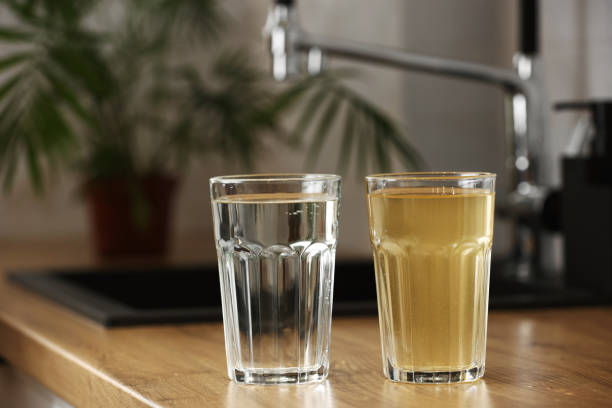
The most immediate shock for the family was the iron failure. Iron is a common element in New York City’s water distribution system, largely due to the thousands of miles of unlined cast-iron mains that run beneath our streets. Over decades, these pipes develop a “scale”—a thick, brittle crust of oxidized iron and minerals.
When a plumber performs a “swap” of the kitchen lines, the process involves shutting off the main valve and then “re-pressurizing” the system. This sudden surge of water creates a physical shock known as a water hammer. In an old Bronx building, this shock scours the interior of the vertical risers, shaking loose large quantities of iron scale. Even though the new kitchen pipes are made of clean copper or PEX, the water feeding them is now saturated with the legacy of the building’s old iron infrastructure.
As we detail on our blog, this isn’t just a matter of “red water” or a metallic taste. High iron concentrations can damage new appliances, stain expensive quartz sinks, and signal that the water is aggressively reacting with the building’s infrastructure.
The Chlorine Mystery: Where Did the Protection Go?
While the iron was a visible and flavorful problem, the “low chlorine” result was the more dangerous finding. Chlorine is the primary disinfectant used by the city to keep our water safe from bacteria and viruses. By the time water reaches a Bronx apartment, it should maintain a specific “residual” level of chlorine to ensure it stays sterile as it travels through the building.
The family’s kitchen tap showed almost zero chlorine residual. This happened because chlorine is highly reactive; it “uses itself up” when it encounters high levels of organic matter or reactive metals like iron. The massive surge of iron scale dislodged during the plumbing swap acted as a “chlorine sponge,” neutralizing the disinfectant before it could reach the faucet. Without that chlorine shield, the water sitting in the new pipes becomes a breeding ground for contaminant types like biofilm and coliform bacteria.
The Health Impacts of the Last-Mile Failure
For the residents, the primary concern was the potential health impacts of consuming this water. While iron itself is generally considered an aesthetic contaminant at lower levels, in high concentrations, it can cause gastrointestinal distress. More importantly, the lack of chlorine leaves the family vulnerable to waterborne pathogens.
In a dense environment like the Bronx, where many buildings have complex, interconnected plumbing, a loss of disinfection is a major red flag. If the water in your kitchen has no chlorine, any bacteria present in the building’s storage tanks or “dead legs” can migrate into your drinking supply. As health researchers have noted in 2026, the intersection of aging pipes and failing disinfection is a primary driver of localized “stomach bugs” that families often mistake for food poisoning.
Why “Flushing the Lines” Is Often Insufficient
The plumber’s standard advice was to “run the water for ten minutes to clear it out.” While this might clear the visible rust, it rarely solves the underlying chemistry issues. In this Bronx apartment, the iron levels remained elevated for nearly a week because the sediment had settled in the low-flow areas of the new fixtures and the “aerators” of the high-end faucet.
Furthermore, as we discuss in our faq, flushing does not magically restore the chlorine balance if the building’s risers are still actively shedding scale. The water arriving at the tap is being stripped of its protection in real-time. For a family with young children or elderly residents, “waiting it out” is not a viable safety strategy. They needed a more robust set of solutions to bridge the gap between their new kitchen and the old building.
Implementing Modern Solutions for the Urban Kitchen
Once the lab results confirmed the iron and chlorine issues, the family moved toward permanent solutions that would protect their renovation investment. They realized that in an old borough like the Bronx, you cannot rely solely on the city to provide “faucet-ready” water 100% of the time.
The family implemented a two-stage defense:
- High-Capacity Sediment Pre-Filter: Installed at the point where the water enters the apartment to catch the “slugs” of iron scale before they reach the kitchen.
- Activated Carbon Block: Specifically designed to manage chlorine and disinfection byproducts. Paradoxically, even when chlorine is low, carbon is needed to remove the byproducts of the reaction between chlorine and iron, which can have significant health impacts.
- KDF (Kinetic Degradation Fluxion) Media: This specialized media uses a redox reaction to neutralize heavy metals and inhibit the growth of bacteria, providing a second layer of protection in the absence of a strong chlorine residual.
The Importance of a Post-Swap Audit
The Bronx family’s experience serves as a vital lesson for anyone planning a plumbing project this year. A “successful” plumbing job is about more than just a lack of leaks; it is about the quality of the water flowing through those new pipes.
In 2026, we recommend that all major plumbing work in Manhattan and the Bronx be followed by a comprehensive water audit. You should test for contaminant types like iron, lead, copper, and chlorine residual at least 48 hours after the work is completed. This gives the system time to reach a new “equilibrium” and ensures that the vibrations of construction haven’t left you with a localized health hazard.
Conclusion: Safeguarding Your Bronx Renovation
The kitchen tap that tested positive for iron concerns and low chlorine levels became an important discovery for one Bronx family. It encouraged them to look beyond the appearance of their newly renovated kitchen and address the reality of the “last mile” of water delivery within their home. By understanding and managing their water chemistry, they were able to take proactive steps toward improving safety and quality. Bacteria water testing in the Bronx can help identify potential water concerns and provide valuable insights for maintaining a healthier water system.
The most effective next step for any Bronx resident who has recently had a plumber in their home—or who is noticing a metallic taste after local street work—is to stop guessing. If your water feels “different” since your new faucet was installed, you should contact a specialist today. Whether you need help navigating the faq of urban plumbing or you are looking for specific filtration solutions for your apartment, getting the data is the only way to ensure your “new” kitchen is truly healthy.