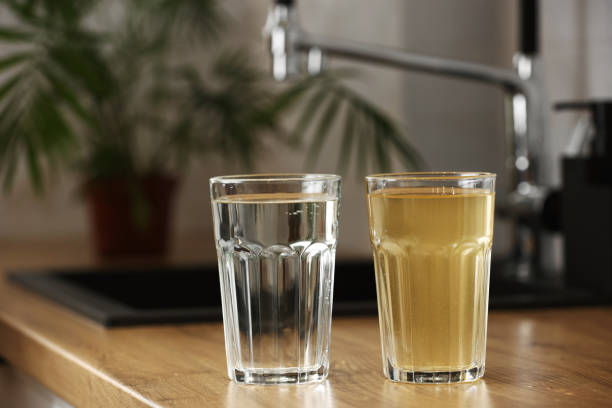
Living in one of Manhattan’s landmarked buildings is a quintessentially New York experience. These architectural marvels, with their ornate facades and soaring ceilings, tell the story of the city’s Gilded Age. However, for residents of a prestigious pre-war cooperative on the Upper West Side, the historic charm was recently overshadowed by a modern frustration. Shareholders across several floors began reporting a sharp, lingering metallic taste in their tap water—a sensation often described as sucking on a penny.
This wasn’t an isolated incident in a single apartment; it was a systemic issue affecting multiple sinks in different units. In 2026, as infrastructure ages and the city’s water chemistry evolves, landmarked buildings face a unique set of challenges. This case study explores why “old-world elegance” often comes with “old-world plumbing” and how a metallic taste can be a crucial warning sign of various contaminant types lurking in the “last mile” of water delivery.
The Landmark Paradox: Historic Preservation vs. Modern Purity
The primary challenge with landmarked buildings is the restriction on invasive renovations. While the exterior is protected by law, the interior “bones”—including the original galvanized steel or brass piping—are often a century old. Over time, these pipes undergo a process called internal corrosion. The metallic taste that residents experienced was the sensory result of the water physically dissolving the very pipes intended to carry it.
In many Manhattan landmarks, the water is pumped to a rooftop cedar or steel tank before being gravity-fed to the apartments. If these tanks or the primary risers are aging, they can release high concentrations of iron, zinc, and copper. For the residents of this Upper West Side co-op, the metallic taste was most pronounced in the morning—a classic sign that the water had sat stagnant in the building’s aging metal arteries overnight, absorbing the characteristics of the pipes.
Identifying the Culprits: Iron, Copper, and Lead
When a building management team or a shareholder investigates a metallic taste, they are usually looking for specific contaminant types. In this Manhattan case, the laboratory audit revealed a trifecta of issues:
- Oxidized Iron: While iron is generally an aesthetic issue, at high levels, it creates a distinct rust-like flavor and can stain fine china or laundry.
- Copper Leaching: Copper often introduces a bitter, metallic tang. If the building’s water is slightly acidic (a common occurrence when municipal treatments fluctuate), it can aggressively strip copper from historic brass fixtures.
- Lead Particulates: Perhaps the most concerning discovery was that the metallic taste was a “lead flag.” In many pre-war buildings, lead solder was used to join pipes, and lead service lines may still connect the building to the street.
The health impacts of these metals, particularly lead, are a major concern in 2026. Lead is a potent neurotoxin with no safe level of exposure. The residents learned that the metallic taste wasn’t just an “old building quirk”—it was a signal that their protective plumbing barriers were failing.
The Role of Water Chemistry and “Stray Current” Corrosion
One factor often overlooked in Manhattan landmarks is “stray current” or galvanic corrosion. Because these buildings have extensive electrical systems that are often grounded to the water pipes, small amounts of electricity can flow through the plumbing. This accelerates the rate at which metals dissolve into the water.
In this specific co-op, a recent electrical upgrade in a nearby unit had inadvertently increased the electrical load on the shared risers. This acted as a catalyst, making the metallic taste noticeably worse over a period of just a few weeks. As we discuss in our faq, identifying the root cause of a taste issue in a high-rise requires looking beyond just the water itself and considering the building as a living, interconnected organism.
Why Refrigerator Filters Were Not Enough
The residents initially tried to solve the problem by relying on the carbon filters built into their high-end refrigerators. However, they soon found that the metallic taste persisted. This is because most standard consumer filters are designed to improve taste by removing chlorine, but they are not always rated to remove heavy metals or high concentrations of dissolved iron.
In our guide to solutions, we emphasize that metallic contaminants often require specialized media. For a landmark building with systemic issues, an under-sink Reverse Osmosis (RO) system or a high-capacity KDF (Kinetic Degradation Fluxion) filter is often necessary. These systems use a chemical process to pull the dissolved metals out of the water, something a simple carbon pitcher simply cannot do.
The Board’s Dilemma: Remediation in a Landmark Context
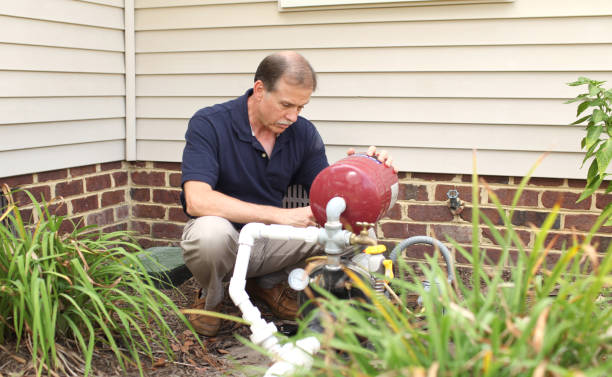
The co-op board faced a significant financial and logistical challenge. Fully replacing the building’s plumbing stack would cost millions and require residents to vacate their homes during construction. Instead, they looked for modern solutions that could be implemented at the “Point of Entry” (POE).
They decided to install a centralized, building-wide filtration and conditioning system in the basement. This system was designed to:
- Neutralize pH: To make the water less “hungry” and prevent it from leaching metals from the historic pipes.
- Sequestration: Adding food-grade polyphosphates that create a microscopic coating on the inside of the pipes, effectively “sealing” the old metal away from the water.
- High-Grade Sediment Filtration: To catch the larger flakes of rust and scale before they reached the apartment faucets.
This proactive stance is a growing trend on our blog, as Manhattan boards realize that water quality is a key component of property value and resident retention in 2026.
The Importance of Unit-Specific Testing
The Manhattan landmark case proved that even in a building with a centralized safety plan, water quality can vary unit by unit. An apartment on the second floor might have perfectly clear water, while a penthouse unit—fed by a different riser or closer to the rooftop tank—might have a severe metallic taste.
For shareholders, the lesson was clear: do not assume your neighbor’s water quality is yours. If you detect a metallic taste, you should perform an independent audit of your specific taps. In our faq, we provide a roadmap for “first draw” testing, which is the gold standard for identifying metals that leach from your own pipes overnight.
Conclusion: Safeguarding Manhattan’s Architectural Heritage
The metallic taste in that Manhattan landmark wasn’t just a nuisance; it was a catalyst for a building-wide health upgrade. It reminded the residents that while we preserve the beauty of the past, we must also invest in the safety of the present. By identifying the specific contaminant types and implementing modern solutions, they ensured that their historic home remained a healthy place to live for the next century.
The most effective next step for any resident of a pre-war Manhattan building is to move beyond the “old building” excuse. If your water tastes like metal, or if you are concerned about the health impacts of aging pipes, you should contact a specialist today. We can help you navigate the complexities of landmark plumbing and find a tailored solution that protects your family while respecting your home’s history.