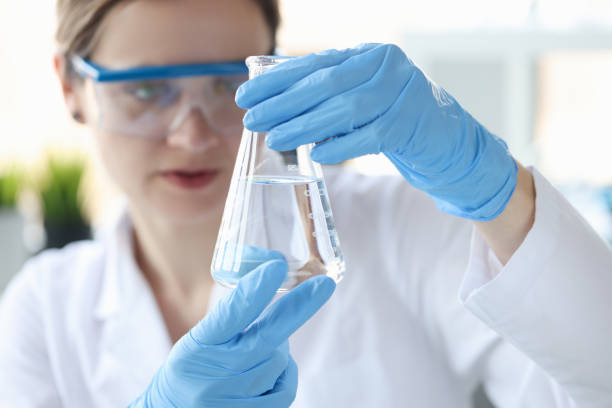
In the dense residential landscape of Queens, from the multi-family homes of Astoria to the high-rise cooperatives of Rego Park, plumbing maintenance is an inevitable part of urban life. Whether it is a simple leak repair, the installation of a new dishwasher, or a building-wide pipe replacement, we generally view plumbing work as an improvement—a way to ensure our homes function efficiently. However, in early 2026, a family in a well-maintained Queens apartment discovered that their recent plumbing upgrade had introduced an invisible and dangerous guest. Following a routine repair of their kitchen risers, a private water audit revealed that their tap water had failed for coliform bacteria.
This discovery shattered the family’s assumption that municipal water is a closed, sterile system. It served as a stark reminder that any time the integrity of a plumbing system is breached, the risk of various contaminant types entering the supply increases dramatically. For this Queens household, what was supposed to be a standard fix turned into a health emergency that required a deep dive into the “last mile” of water safety.
The Breach: How Plumbing Work Introduces Pathogens
The failure didn’t happen because the city’s water was tainted at the reservoir. In fact, New York City’s Department of Environmental Protection (DEP) works tirelessly to maintain high disinfection levels throughout the main lines. The issue was localized. When the plumber cut into the apartment’s internal lines to replace a corroded valve, the system was depressurized and exposed to the open air of a 60-year-old building.
Any time water pressure drops to zero, a vacuum can be created, pulling in microscopic debris, dust, and airborne pathogens. Furthermore, if the tools used or the replacement parts themselves were not properly sanitized, they could introduce bacteria directly into the line. In this specific Queens apartment, the “dead leg”—a section of pipe where water no longer flows—had become a breeding ground for bacteria during the downtime. When the water was turned back on, these pathogens were flushed directly to the kitchen tap.
Identifying the Threat: Total Coliform and Beyond
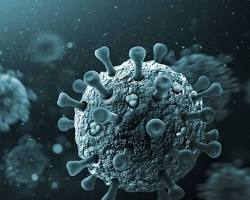
The laboratory results for the apartment showed a “Present” result for Total Coliform. While coliform bacteria are a broad category and not all are harmful, their presence is the primary “indicator” used by health officials to signal that the water system has been compromised. If coliform can get in, so can more dangerous pathogens like E. coli or Legionella.
For the residents, the concern shifted immediately to the health impacts of their exposure. Bacteria in drinking water can lead to a range of gastrointestinal issues, including cramping, nausea, and diarrhea. For the elderly residents of the building and the young children in the apartment, the risk was even higher. They realized that their “clean” water was now a biological hazard, all because a standard repair hadn’t included a proper disinfection protocol.
The “Biofilm” Factor in Queens Infrastructure
One of the most complex aspects of this case was the role of the building’s existing “biofilm.” Over decades of use, the interior of all water pipes develops a thin layer of organic matter and minerals. This is generally kept in check by the chlorine in the city water. However, when plumbing work involves “knocking” on pipes or using heavy machinery, this biofilm can be dislodged.
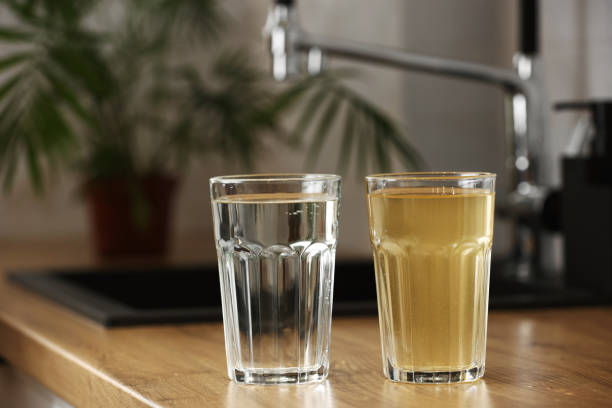
In our blog, we have highlighted how these physical disturbances act as a “biological reset.” The dislodged biofilm provides a sudden feast of organic carbon for any newly introduced bacteria, leading to a rapid spike in colony counts. For the Queens family, the “cloudy” water they saw for the first few minutes after the repair wasn’t just rust; it was a concentrated pulse of biological material that had been dormant behind their walls for years.
Why Standard Flushing Isn’t Always Enough
The plumber’s advice to the family was standard: “Just run the water for ten minutes.” While this is good for clearing out physical silt and air bubbles, it is often insufficient for eliminating bacteria that have adhered to the pipe walls or settled in the “aerator” of the faucet.
As we discuss in our faq, bacteria are remarkably resilient. They can find “harborages” in the threads of faucets, the internal seals of new valves, and even within the rubber hoses of a new spray nozzle. In this apartment, even after hours of flushing, the bacteria persisted because the internal “shock” of the repair had allowed the colony to establish itself in the “low-flow” areas of the new fixtures. The family needed a more aggressive solution than just turning on the tap.
Remediation: From Shock Chlorination to Advanced Filtration
Faced with a failed test, the family had to take immediate action to protect their health. The remediation process involved a two-pronged approach. First, the apartment’s internal lines had to undergo a “shock chlorination” treatment, where a high concentration of chlorine is introduced into the pipes and left to sit, effectively killing any localized bacterial colonies.
Second, they looked for permanent solutions to prevent a recurrence. Even with the pipes cleaned, the family was now aware of how easily the system could be compromised. They opted for:
- UV (Ultraviolet) Sterilization: A point-of-entry system that uses light to scramble the DNA of bacteria, viruses, and cysts, ensuring that even if pathogens enter the line during future city work, they are neutralized before reaching the glass.
- Sub-Micron Filtration: High-density carbon blocks that act as a physical barrier to bacteria and larger cysts like Giardia.
These upgrades transformed the apartment into a fortress for water safety. As noted in our blog, while the city handles the large-scale treatment, the individual resident is ultimately responsible for the “final inch” of water delivery in a borough as old and complex as Queens.
The Importance of Post-Plumbing Testing
The most vital lesson from this Queens incident is the necessity of testing after any major plumbing event. Most homeowners only test their water when they move into a new home or if they notice a strange smell. But any time a pipe is cut, a valve is replaced, or the building’s water is shut off for more than a few hours, the biological profile of your tap changes.
In 2026, the gold standard for apartment safety is a post-work water audit. This is the only way to confirm that the “improvement” didn’t come with a hidden cost. By checking for contaminant types like bacteria and lead immediately following a repair, you can catch a localized failure before it leads to serious health impacts.
Conclusion: Taking Responsibility for Urban Water Safety
The Queens apartment that tested positive for bacteria serves as an important reminder for residents throughout New York. While our water infrastructure is highly advanced, it is not immune to challenges. The “last mile” of water delivery, including the pipes within your building and individual apartment, is where many water quality concerns can develop. On-site drinking water testing in Queens can help identify potential issues and provide valuable insights into the condition of your water supply.
The most effective next step for any resident planning plumbing work or who has recently had a repair done is to move beyond the “looks fine” mentality. If you have recently had a plumber in your home or if your building has undergone riser work, you should establish a safety baseline. Don’t wait for symptoms to appear. The best path forward is to contact a specialist today to schedule a bacterial screening. It’s the only way to ensure that your home’s water remains a source of health, not a hidden hazard.