For the residents of a large co-operative complex in Rego Park, Queens, the sound of jackhammers and the sight of NYC Department of Environmental Protection (DEP) crews are a common part of urban life. In early 2026, a significant water main repair was conducted on a primary line feeding several blocks of high-density housing. While the repair was deemed a success and the water pressure returned to normal within hours, a new and unsettling issue emerged: a sharp, persistent bitter taste in the tap water.
What began as a few complaints on a neighborhood message board quickly grew into a building-wide concern. For families who have relied on the city’s water for decades, the sudden change in flavor was more than a nuisance; it was a red flag. As we move through a year where infrastructure stability is at the forefront of local news, this incident highlights a critical reality for Queens residents: the “last mile” of water delivery is often the most vulnerable. Understanding the link between physical repairs and chemical contaminant types is the first step in ensuring your household water remains safe.
The Physics of the Repair: Disturbing the Biofilm
To understand why a main repair leads to a bitter taste, one must look at what happens inside the pipes when the water is shut off. Queens’ water infrastructure is a mix of modern conduits and pipes that have been in service since the mid-20th century. Over decades, these pipes develop a “biofilm”—a complex layer of minerals, harmless bacteria, and organic matter that adheres to the interior walls.
When a main is cut for repair, the water pressure drops to zero. When it is turned back on, a “water hammer” effect—a sudden surge of pressure—occurs. This physical shock scours the inside of the pipes, dislodging the biofilm and sending a concentrated pulse of sediment into the service lines of nearby buildings. For the Queens co-op, the bitter taste was the sensory result of this organic and mineral “shrapnel” entering their internal plumbing. As noted on our blog, these events can bypass the city’s centralized filtration efforts, making the water quality at your kitchen sink a very different story than the water at the reservoir.
Identifying the Bitterness: Copper, Zinc, and pH Fluctuations
The specific “bitter” or “metallic” taste reported by the residents is often a diagnostic clue. In many cases, this flavor profile indicates an elevated presence of metals like copper or zinc. During a repair, the temporary stagnation of water and the introduction of oxygen into the lines can alter the water’s chemistry, specifically its pH level.
If the water becomes even slightly more acidic or if the protective mineral coating inside the co-op’s own copper risers is disturbed, the water begins to “leach” metals from the building’s plumbing. According to the EPA, while New York City water is treated to be non-corrosive, the localized disruption of a main repair can override these protections. For residents, the health impacts of consuming elevated copper can include gastrointestinal distress, making it essential to address the taste issue rather than simply “waiting for it to go away.”
The Disinfection Byproduct Factor
Another common cause for a change in taste after a repair is the “slug” of chlorine used to disinfect the new pipe section. Standard NYC DEP protocol requires that any new or repaired water main be disinfected with high doses of chlorine before being put back into service. While the line is flushed, trace amounts of this high-chlorine water can enter the building’s intake.
When this concentrated chlorine interacts with the dislodged organic matter (the biofilm) from the old pipes, it can form disinfection byproducts (DBPs) like trihalomethanes. These chemical contaminant types are known for creating an “off” or bitter flavor. For the Queens co-op residents, the bitterness was a signal that a chemical reaction was happening right inside their pipes—a reaction that their standard refrigerator filters were not equipped to handle.
Why the “Flush It” Advice Often Fails in Large Buildings
The standard advice from the city after a water main repair is to “run your cold water for 15 to 20 minutes.” While this works for a single-family home, it is often insufficient for a 300-unit co-op. In a large building, the water that entered the building during the repair is distributed throughout a massive internal network of risers, storage tanks, and “dead legs.”
In our faq, we highlight that in multi-family structures, the “bad water” can linger in the system for days. If your neighbor isn’t home to flush their lines, the contaminants can migrate back into the shared risers. For the residents in Rego Park, the bitter taste persisted for nearly a week because the building’s centralized storage tank had acted as a reservoir for the sediment-heavy water that entered during the initial surge.
Seeking Long-Term Solutions for Queens High-Rises
Faced with a recurring issue every time there is a local street repair, many co-op boards are looking for permanent solutions. In 2026, the trend in Queens real estate is moving toward “Point of Entry” (POE) filtration. These are large-scale systems installed in the building’s basement that filter the water before it ever reaches the individual apartments.
The multi-stage solutions being considered by the board include:
- High-Capacity Sediment Pre-Filters: To intercept the “pulses” of rust and biofilm dislodged by future main repairs.
- Granular Activated Carbon (GAC): To adsorb the chlorine and disinfection byproducts that create the bitter taste and chemical odor.
- Automatic Backwashing Systems: To ensure that the filters do not become clogged during high-sediment events, maintaining water pressure for all residents.
These systems provide a level of “water security” that individual pitcher filters cannot match, protecting the health impacts of every shareholder in the building.
The Importance of Independent Testing After Infrastructure Work
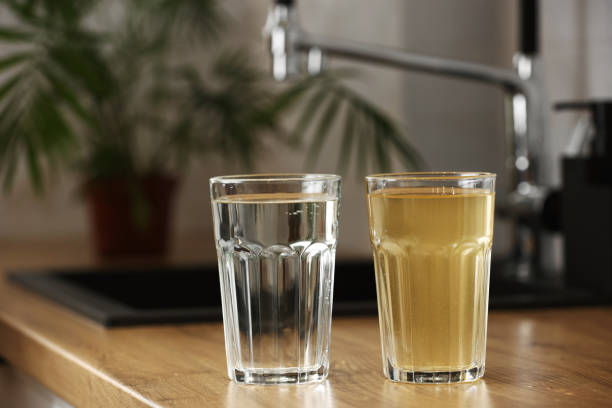
The most critical takeaway for the Queens residents was that they could not rely on visual cues alone. Their water looked clear, yet the bitter taste proved that something was wrong. In 2026, the only way to confirm if the bitterness is a harmless mineral surge or a more serious chemical leaching issue is through a certified water audit.
If you live in a building that has recently been affected by a water main break or repair, you should perform a “post-event” test. This helps determine if your building’s internal pipes were damaged by the pressure changes or if you are simply dealing with temporary sediment. As we discuss on our blog, data is the only tool that can turn a “neighborhood rumor” into an actionable plan for safety.
Conclusion: Taking Control of Your Co-op’s Water Quality
The bitter taste reported in the Rego Park co-op was a wake-up call for the community. It served as a reminder that the convenience of urban living comes with the reality of aging infrastructure. While the city works hard to maintain the mains, it is up to the residents and the boards to protect the “last mile” of delivery to their families.
The most effective next step for any Queens resident experiencing a change in water taste after a local repair is to Establish a baseline. If the bitterness persists for more than 48 hours, or if you are concerned about the health impacts of localized leaching, you should contact a specialist today. We can help you navigate the faq of urban water issues and find a solution that ensures your tap water is as pure as it was intended to be.