For homeowners in the historic neighborhoods of Staten Island or the revitalized brownstones of Jersey City, a kitchen remodel is the ultimate milestone. We envision quartz countertops, professional-grade ranges, and high-arc faucets that serve as the centerpiece of the home. It is a time of aesthetic transformation, but beneath the new cabinetry and behind the freshly tiled backsplash, a more subtle—and sometimes troubling—transformation is taking place.
As we move through 2026, localized water testing is revealing a recurring trend: a kitchen remodel often triggers a fundamental shift in a home’s water chemistry. While the water entering the building from the municipal main remains the same, the “final mile” of delivery is altered. From the introduction of new materials to the disturbance of decades-old sediment, the path your water takes to your glass is fundamentally different after a renovation.
Understanding how a remodel changes your water is essential for ensuring that your “dream kitchen” doesn’t come with an unexpected water quality crisis.
The Disturbance of the “Mineral Shield”
In the older infrastructure common across North Jersey and New York City, your pipes aren’t just hollow tubes; they are lined with a delicate, crusty layer known as mineral scale. This scale—composed of calcium, magnesium, and iron—actually acts as a protective shield, preventing the water from coming into direct contact with the raw metal of the pipes.
When a contractor begins a kitchen remodel, the physical vibrations from demolition and the torque required to disconnect old plumbing act like an earthquake for this mineral shield. The scale cracks and flakes off, entering the water stream as grit and sediment.
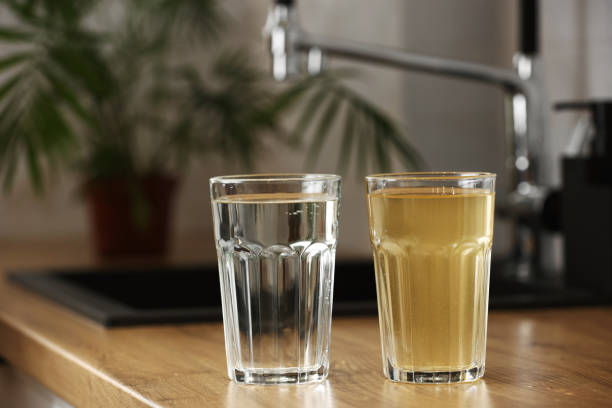
This surge of dislodged minerals can cause a sudden color shift or a “metallic” taste. More importantly, these mineral flakes can “sequester” or trap more dangerous contaminant types like lead. When the scale breaks, it releases a concentrated burst of these contaminants directly into your brand-new sink.
New Materials, New Reactions
Modern kitchen remodels often involve replacing old copper or galvanized steel with PEX (cross-linked polyethylene) piping. While PEX is durable and easier to install, it introduces new variables into your water chemistry.
1. Leaching of Volatile Organic Compounds (VOCs) Brand-new plastic piping and the various glues and solvents used during installation can “off-gas” into the water during the first few months of use. This can result in a plastic or medicinal taste and odor. While these levels are usually low, they represent a shift in the chemical profile of your drinking water that wasn’t there before the renovation.
2. The “Passive” Pipe Phase If you choose to stick with copper, new pipes lack the protective mineral scale found in older ones. For the first few months, the water is in direct contact with “raw” copper. If your water is even slightly acidic—a common occurrence in urban systems—it will leach copper ions into the water, resulting in a bitter or metallic taste. This is a topic we frequently cover on the Water Contamination Guide blog as residents adjust to their new builds.
The “Dead Leg” Dilemma
Kitchen remodels often involve reconfiguring the layout—moving a sink from the wall to an island or shifting the location of a dishwasher. When plumbing is moved, the original pipes are often “capped off” rather than being removed all the way back to the main riser.
This creates a “dead leg”—a segment of pipe where water no longer flows. Because the water in a dead leg stays perfectly still, the chlorine disinfectant used by the city eventually dissipates. This creates a perfect breeding ground for sulfur-reducing bacteria and biofilms. These bacteria can migrate back into the main water line, causing “rotten egg” odors or unexplained failed tests for coliform, even in a “new” kitchen.
We often address the frustrations of persistent odors after renovations in our FAQ section, where we help homeowners identify these hidden stagnant pockets.
High-Efficiency Fixtures and Water Age
Modern “green” kitchens utilize low-flow faucets and high-efficiency dishwashers. While great for the environment, these fixtures change the “water age” within your home’s pipes. Because less water is being pulled through the system, the water sits in your internal plumbing for longer periods.
Increased “contact time” between the water and your new pipes or fixtures allows for more chemical leaching. If your water sits in a new brass faucet overnight, the first glass you pour in the morning may have a higher concentration of metals than the water you used to get from your old, high-flow fixtures. This shift in usage patterns can lead to unexpected health impacts if the water isn’t properly filtered.
Why Your New Appliances are at Risk
The change in water chemistry doesn’t just affect your health; it affects the longevity of your investment. The sediment surge triggered by a remodel can be catastrophic for modern appliances.
- Dishwashers: Fine grit can clog the inlet valves and ruin the seals of a new $1,200 dishwasher.
- Refrigerator Ice Makers: Microscopic rust particles can jam the delicate solenoids in an ice maker, leading to leaks or a complete failure to produce ice.
- Coffee Stations: High-end built-in espresso machines are extremely sensitive to the mineral shifts and “cloudiness” that follow a renovation.
According to the EPA, any physical work on a home’s plumbing should be followed by a rigorous flushing protocol to protect both the residents and the plumbing fixtures.
Solutions: Protecting Your New Kitchen
If you are planning or have just completed a kitchen remodel in Jersey City or Staten Island, you can take control of your water chemistry with targeted solutions:
1. The Post-Renovation Purge Before you use your new kitchen for the first time, remove all aerators (the screens at the end of the faucets) and run the cold water at full blast for at least 15 minutes. This “high-velocity flush” helps clear out the construction debris and dislodged scale before it can settle in your new fixtures.
2. Under-Sink Reverse Osmosis (RO) To address the leaching of VOCs from new pipes or the metallic taste of new copper, an RO system is the most effective barrier. By forcing water through a semi-permeable membrane, it strips away the dissolved chemicals and metals that a “designer” faucet filter might miss.
3. Whole-House Sediment Filtration If your remodel revealed significant rust or scale in your old pipes, installing a 5-micron sediment filter at the point where the water enters your home will protect your new appliances from future surges.
Conclusion: The “Invisible” Part of the Remodel
A kitchen remodel is more than just new cabinets and a fresh coat of paint. It is a fundamental alteration of your home’s life-support system. By recognizing that the demolition and the new materials will change your water chemistry, you can stay one step ahead of odors, tastes, and contaminants.
Your water should be as high-end as your new kitchen. Don’t let the “dust” of construction linger in your pipes—test your water, flush your lines, and invest in a filtration system that ensures every glass of water is as beautiful as your new home.
If you’ve recently finished a remodel and noticed a change in your water’s taste or smell, or if you want to perform a baseline water test before you start your project, please contact us today. We can provide you with information on localized testing labs in Northern New Jersey and help you choose the right filtration solution for your new space.