For residents living in the bustling urban centers of Jersey City or the historic neighborhoods of Staten Island, the home is a sanctuary. We invest in high-end finishes, modern appliances, and comfortable living spaces. However, nothing shatters the feeling of a clean home quite like turning on the kitchen faucet or stepping into the shower only to be met with a pungent, unmistakable “rotten egg” odor.
In the world of water chemistry, this sulfurous scent is a loud and clear message from your plumbing system. While it is often dismissed as a mere “nuisance” by municipal authorities, in 2026, we understand that odors are the primary way our water communicates its internal health. That smell isn’t just an aesthetic unpleasantness; it is a diagnostic tool that points to specific biological or chemical imbalances occurring between the city main and your tap.
Understanding what that rotten egg smell says about your water safety is the first step in reclaiming the purity of your home’s most vital resource.
The Culprit: Hydrogen Sulfide Gas
The scientific name for that “rotten egg” scent is Hydrogen Sulfide (H2S). This gas is produced when naturally occurring sulfates in the water interact with sulfur-reducing bacteria (SRB). These bacteria are not usually “pathogenic”—meaning they won’t necessarily make you sick if you swallow them—but they thrive in low-oxygen environments where water sits still.
In the context of contaminant types, hydrogen sulfide is unique because it is a gas dissolved in the water. The moment the water leaves your faucet and hits the air, the gas is released, which is why the smell can feel so overwhelming in a small bathroom or kitchen.
Why Does My Water Smell Now?
If you live in a Jersey City high-rise or a Fort Lee condo, you might wonder why your water suddenly smells when the city’s water quality reports claim everything is fine at the source. The reality is that the “last mile” of water delivery is where most odor issues begin.
1. The Stagnation Effect (Dead Legs) In many North Jersey renovations, pipes are capped off but left in the wall. These are known as “dead legs.” Because no water flows through them, the chlorine disinfectant dissipates, and sulfur-reducing bacteria begin to feast on the stagnant water. Every time you turn on a nearby tap, a small amount of that “rotten” water is pulled into your stream.
2. The Water Heater Reaction This is perhaps the most common cause of sulfur odors in Staten Island homes. Most water heaters contain a “sacrificial anode rod” made of magnesium. This rod is designed to corrode so your tank doesn’t. However, the magnesium can react with sulfates in the water to create hydrogen sulfide gas. If the smell is only present when you run hot water, your water heater is the confirmed source.
3. Bacterial Biofilms in the Drain Sometimes, the water isn’t the problem at all. Bacteria can grow in the organic matter trapped in your sink’s P-trap (the U-shaped pipe under the sink). When you run the water, the air is pushed up out of the drain, carrying the smell to your nose. We often help residents distinguish between “drain vs. tap” issues in our FAQ section.
Is It Safe? The Real Health Implications
When a landlord or a city official tells you the smell is “safe,” they are usually referring to the fact that sulfur-reducing bacteria don’t cause acute illness like E. coli or Giardia. However, from a broader perspective, the health impacts of odorous water are more complex.
- Respiratory Irritation: In high concentrations, especially in a poorly ventilated shower, breathing in hydrogen sulfide gas can lead to headaches, nausea, and eye irritation.
- The “Canary in the Coal Mine”: If your water environment is stagnant enough to support sulfur-reducing bacteria, it is likely stagnant enough to support more dangerous organisms like Legionella. The smell is a warning that your water’s “disinfection shield” (chlorine) has failed.
- Corrosivity: Hydrogen sulfide is a corrosive gas. Over time, it can turn copper pipes black and lead to pinhole leaks, which can eventually cause mold issues behind your walls—a major respiratory health hazard.
According to the EPA, sulfur is considered a “Secondary Contaminant.” While it isn’t federally enforceable, it is a key indicator of water that is functionally “unusable” for a modern household.
Diagnosing the Source: The “Glass Test”
Before investing in expensive solutions, you need to pinpoint where the gas is being produced. You can do this with a simple test at home:
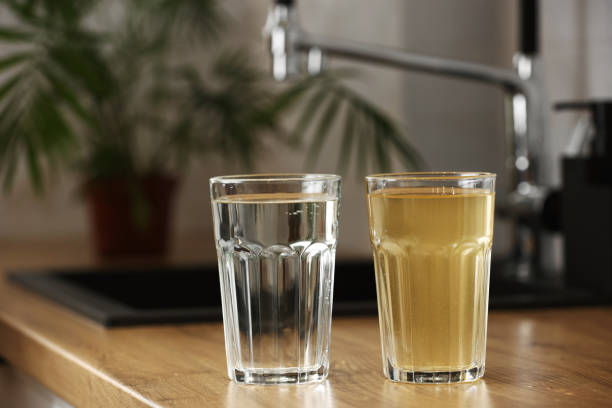
- Fill a clean glass with cold water and walk into a different room. If the water in the glass smells, the issue is in your pipes or the city main. If it doesn’t, the smell is coming from your drain.
- Run the hot water into a separate glass. If only the hot water smells, the issue is your water heater’s anode rod.
- Check with your neighbors. If everyone on your block in Hoboken has the same smell, the issue is likely a localized “pocket” of low-flow water in the city’s iron mains, often reported on our Water Contamination Guide blog.
Solutions: How to Clear the Air
Depending on where the smell is coming from, there are several effective ways to restore your water’s safety and scent.
- For Hot Water Issues: Replace your magnesium anode rod with an Aluminum/Zinc alloy rod. This specific alloy does not react with sulfates and usually eliminates the odor within 24 hours.
- For Building-Wide Odors: An Activated Carbon Filter is excellent at “adsorbing” the gases that cause odors. For heavy sulfur issues, a specialized Air-Induction Oxidation (AIO) system can be used to “shatter” the sulfur molecules before they enter your taps.
- For Bacterial Issues: If the odor is linked to low chlorine residuals, a UV Sterilization system provides a final, non-chemical “kill step” to ensure no bacteria—smelly or otherwise—survive the journey to your faucet.
Conclusion: Don’t Live with the “Scent of Decay”
In the modern urban landscape of 2026, you shouldn’t have to hold your breath while taking a shower. A rotten egg smell is more than an annoyance; it is a sign that the delicate chemical balance of your water has been disrupted. Whether it’s a simple fix like an anode rod replacement or a more robust filtration strategy, taking action restores your peace of mind.
Your water should be as clean as the glass you pour it into. By identifying the source of the sulfur smell, you aren’t just improving the scent of your home—you are ensuring that your plumbing system is active, disinfected, and safe.
If you are struggling with a persistent odor and the “standard” fixes aren’t working, please contact us today. We can provide you with information on certified water testing in Jersey City and Staten Island and help you find a professional who understands the unique plumbing challenges of the North Jersey waterfront.