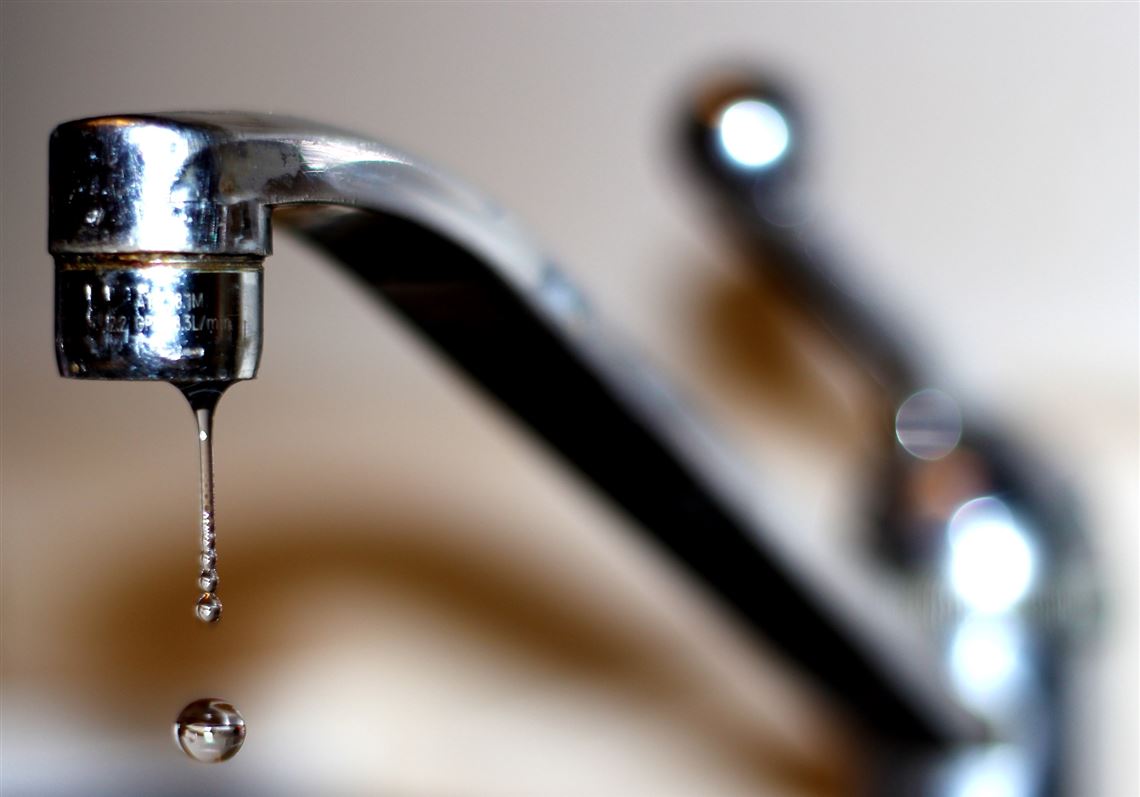
For a family living in a quiet duplex in West Brighton, the morning started like any other. The coffee was brewing, the showers were running, and the day was beginning in typical Staten Island fashion. However, the routine came to a screeching halt when the bathroom sink began to pour out water the color of weak tea.
Just a block away, New York City Department of Environmental Protection (DEP) crews had spent the previous afternoon repairing a water main. While the city work was necessary to maintain our aging infrastructure, the unintended consequence for this specific duplex was a sudden, alarming color shift in their tap water.
This scenario is far from unique on Staten Island. From the historic streets of St. George to the developing neighborhoods of Tottenville, residents often find that “city work nearby” results in a temporary—but troubling—change in water quality. Understanding why this happens and what it means for your health is essential for navigating life in an urban environment with century-old pipes.
The Science of the “Brown Water” Surge
When the homeowners first saw the discolored water, their immediate instinct was panic. Was it sewage? Was it chemicals? In reality, the most common cause of a color shift following city work is the disturbance of mineral sediment.
Staten Island’s water travels through a vast network of iron and steel mains. Over decades, naturally occurring minerals—primarily iron and manganese—settle on the bottom of these pipes. When the DEP shuts off a valve to perform a repair, or when they open a fire hydrant to flush the system, the sudden change in water pressure and flow direction acts like a pressure washer inside the pipes.
This “scouring” effect lifts the sediment and carries it directly into the service lines of nearby homes. While the city often describes this as “aesthetic,” the reality of seeing brown water at the tap is a visceral reminder of the contaminant types that can hide within our infrastructure.
Why “Flushing” Isn’t Always the Full Answer
The standard advice given to Staten Island residents during these events is to “run the cold water until it’s clear.” For many, this works within a few minutes. But for the family in the West Brighton duplex, the water remained tinged with yellow for nearly forty-eight hours.
When sediment enters a home’s internal plumbing, it doesn’t just pass through. It can settle in the bottom of a hot water heater, clog the aerators on high-end faucets, and become trapped in the “dead legs” of a plumbing system. If you continue to use hot water while the street mains are being flushed, you risk pulling that sediment into your water heater, where it can cause long-term damage and lead to persistent odors.
The NYC DEP notes that while this sediment is generally not harmful if accidentally consumed in small amounts, it can contain higher concentrations of accumulated metals. For parents, the health impacts of heavy metal exposure—even in short-term “spikes”—are a valid concern that goes beyond mere aesthetics.
The Hidden Risk: Lead and Pipe Scale
While the brown color is usually iron, there is a secondary, more serious risk associated with city work: the disturbance of lead. Many older homes on Staten Island still have lead service lines or internal lead solder.
When the city works on the mains, the physical vibration can dislodge “scale”—the protective coating that has built up inside the pipes. If that scale is disturbed, lead particles can flake off and enter the water stream. This is why the EPA strongly recommends using a filter certified for lead removal for several months following any major construction or water main repair in your neighborhood.
In our FAQ section, we often help residents distinguish between “simple sediment” and “infrastructure-related lead risk,” as the solutions for each are quite different.
Taking Action: How to Respond to a Color Shift
If you live in a Staten Island duplex or single-family home and notice a sudden color shift after city work, follow these professional steps:
- Stop Using Water Immediately: As soon as you see discoloration, turn off your taps. Do not use the dishwasher or washing machine, as the sediment can stain clothes and damage appliances.
- Run the Coldest Tap: Go to the lowest point in your house (usually a basement utility sink or a tub) and run the cold water for 15 minutes. Running hot water will pull the sediment into your heater.
- Check Your Aerators: Once the water runs clear, unscrew the small screens (aerators) at the tip of your faucets. You will likely find small grains of “sand” or rust trapped there.
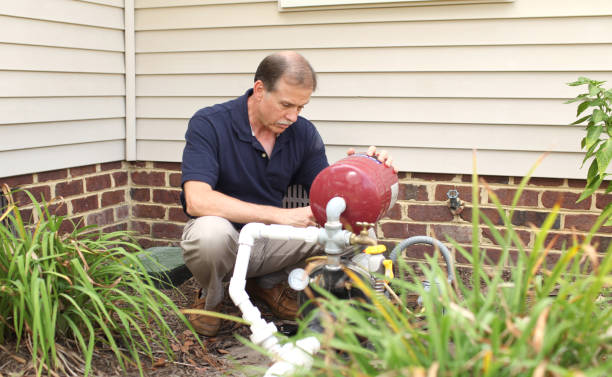
- Consider Long-Term Protection: For many on the North Shore, these events happen frequently enough that temporary flushing isn’t enough. Many are looking into solutions like whole-house sediment filters that act as a “security guard” at the water’s entry point.
Why Staten Island Geography Matters
Staten Island’s water system is unique because we are at the literal “end of the line” for the New York City distribution system. By the time water reaches a duplex in Richmond Town or Great Kills, it has traveled further than almost any other water in the five boroughs.
This distance means that any disturbance upstream—whether it’s a main break in Brooklyn or a repair in St. George—has a ripple effect. On the Water Contamination Guide blog, we frequently track how localized construction projects correlate with these “cloudy water” reports, helping residents stay ahead of the next city-mandated repair.
Conclusion
The experience of the West Brighton duplex family is a reminder that our connection to the city’s water is more fragile than it appears. A sudden color shift is a message from the infrastructure itself, telling us that the “out of sight, out of mind” nature of our plumbing has been disrupted.
While the city’s repairs are a necessary part of urban life, the quality of the water inside your home remains your responsibility. By understanding the causes of sediment surge and taking proactive steps to filter and flush your system, you can ensure that “city work nearby” doesn’t compromise your family’s health or your home’s plumbing.
If your water has changed color and won’t clear up, or if you’re concerned about what was left behind after the latest DEP repair, please contact us today. We can provide you with local resources for water testing and help you choose the right filtration system to keep the “brown water” out for good.