For many homeowners in historic areas like Staten Island’s North Shore or the brownstone-lined streets of Jersey City, a weekend bathroom upgrade seems like a straightforward way to add value and comfort. You pick out a sleek, modern faucet with a brushed gold finish or a high-efficiency rainfall showerhead, and you envision a spa-like experience. However, in 2026, many residents are discovering a frustrating “side effect” of these cosmetic upgrades: the installation process itself can trigger a sudden water quality crisis.
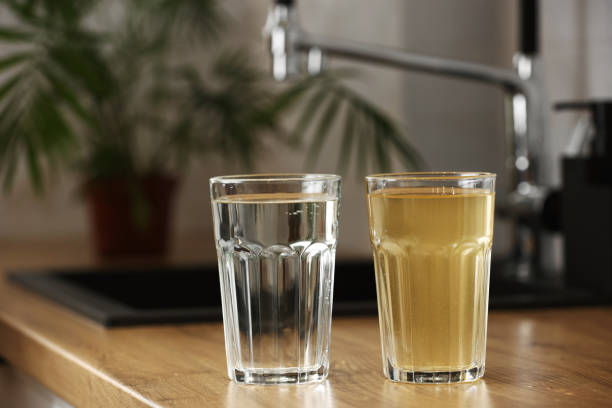
It is a common story in our local blog archives: a homeowner replaces a twenty-year-old faucet, only to find that their water is suddenly running brown, or worse, the brand-new fixture clogs and fails within forty-eight hours. This isn’t a defect in the new hardware; it is the result of disturbing a delicate ecosystem of mineral scale and sediment that has lived inside your pipes for decades.
Understanding the relationship between new fixtures and old plumbing is essential for anyone living in the aging urban infrastructure of the Tri-State area.
The “Sleeper” in Your Pipes: Mineral Scale
To understand why a new faucet causes issues, you have to understand what is happening behind your walls. Over decades of service, the interior of your home’s plumbing develops a lining known as “scale.” This is a hard, crusty buildup of calcium, magnesium, iron, and manganese. In older homes with galvanized steel pipes, this scale can become several millimeters thick, significantly narrowing the diameter of the pipe.
As long as the water flows at a steady pressure and the pipes remain undisturbed, this scale stays attached to the pipe walls. It is essentially a “sleeper” contaminant. However, the moment a plumber—or a motivated DIYer—begins to work on the system, that stability is lost.
How Installation Triggers a Sediment Surge
The process of installing new fixtures involves several physical disruptions that can “shake loose” this accumulated debris:
1. Vibration and Torque When you use a wrench to unscrew an old valve or disconnect a supply line, the physical vibration travels through the pipe. In brittle, older systems, this vibration causes the internal scale to crack and flake off. These flakes, often as sharp and hard as glass, are then carried downstream the moment the water is turned back on.
2. Pressure Changes and Air Pockets To change a fixture, you must shut off the main water valve and drain the lines. This introduces air into the pipes. When the water is turned back on, a “water hammer” effect or a surge of air and water can occur. This sudden change in velocity acts like a pressure washer, scouring the interior of the pipes and dislodging various contaminant types that have been settled for years.
3. The “Scrubbing” Effect of New Valves Modern fixtures often operate at different pressures or flow rates than the ones they replaced. A new high-pressure valve can create a different flow pattern in the pipe, lifting sediment from the bottom of horizontal pipe runs that hasn’t moved in a generation.
Why Modern Fixtures are Vulnerable to Old Debris
The irony of this situation is that modern, high-end fixtures are much more sensitive to sediment than the old ones they replace. Modern faucets utilize ceramic disc cartridges and precision-engineered aerators designed for water conservation.
While the old faucet from the 1980s might have had wide internal passages that could pass a small piece of rust, a modern faucet has microscopic ports. When the “sediment surge” happens, these tiny passages become instantly blocked. This can lead to:
- Low Flow: A brand-new faucet that barely produces a trickle.
- Internal Leaks: Sharp sediment can tear the delicate O-rings or scratch the ceramic discs, causing the faucet to drip immediately after installation.
- Valve Failure: In shower systems, sediment can clog the pressure-balance or thermostatic mixing valve, leading to dangerous fluctuations in water temperature.
Health Risks Beyond the Clog
While we often focus on the mechanical failure of the plumbing, dislodged sediment can have significant health impacts. The mineral scale in older pipes often “sequesters” or traps other contaminants over time. When that scale breaks loose, it can release:
- Lead Particles: In many older Hudson County homes, lead solder was used to join copper pipes. Lead particles often become trapped in the iron scale. When the scale breaks, lead levels can spike dramatically in the water.
- Bacterial Biofilms: Scale provides a porous surface where biofilms can grow. Dislodging the scale sends a concentrated burst of bacteria directly to your kitchen tap.
According to the EPA, physical disturbance of lead-bearing plumbing is one of the most common causes of localized lead spikes in drinking water.
Prevention: The “Post-Install” Flush
If you are planning a renovation in Jersey City or Staten Island, you can prevent fixture failure by following a strict flushing protocol. We often detail these steps in our FAQ section, but the basics are as follows:
- Remove the New Aerator: Before you turn the water back on after an install, unscrew the aerator (the screen) from the new faucet.
- The “Gravel Run”: Open the faucet fully and let the water run for at least 5 to 10 minutes. This allows the heavy sediment to pass through the wide opening without getting trapped in the screen.
- Check Other Taps: Sometimes, working on one bathroom dislodges sediment that travels to the kitchen. Run all the cold water taps in the house simultaneously to “purge” the system.
- Inspect Your Water Heater: If you’ve disturbed the main lines, check the sediment trap on your water heater to ensure it hasn’t been overwhelmed by the surge.
Long-Term Solutions for Aging Pipes
For many residents, the sediment surge is a sign that the home’s plumbing is reaching the end of its life. If you find that every small repair leads to brown water and clogged screens, it may be time to consider more permanent solutions:
- Whole-House Sediment Filtration: Installing a 5-micron sediment filter at the point where the water enters your home acts as a “security guard,” catching street-level sediment and preventing it from entering your fixtures.
- Point-of-Use Protection: If you’ve just invested in an expensive kitchen renovation, an under-sink filtration system can provide a final barrier against the lead and rust particles that your internal pipes may be shedding.
- PEX Repiping: In cases of severe galvanized pipe corrosion, the only permanent solution is to replace the old metal pipes with modern PEX, which does not develop mineral scale or rust.
Conclusion: Respect the Infrastructure
Replacing a fixture is a great way to modernize your home, but on Staten Island and in Hudson County, you are always working in the shadow of history. Your new faucet is only as good as the water that reaches it. By acknowledging the presence of old pipe sediment and taking proactive steps to flush and filter your system, you can ensure that your “simple upgrade” doesn’t turn into a plumbing disaster.
Your home’s plumbing is a connected system. Treat it with the care it deserves, and don’t let the grit of the past ruin the comfort of your future.
If you’ve recently installed new fixtures and are experiencing low pressure or discolored water, or if you’re planning a renovation and want to ensure your water is safe, please contact us today. We can help you navigate the complexities of urban plumbing and find a filtration solution that protects your new investment.