For the owner of a historic brownstone in Hoboken, the long-awaited replacement of a lead service line was supposed to be a moment of relief. Under the city’s aggressive 2026 mandate to replace all lead and galvanized steel lines by 2031, contractors have been busy across the Mile Square City, digging test pits and swapping out old grey pipes for modern copper.
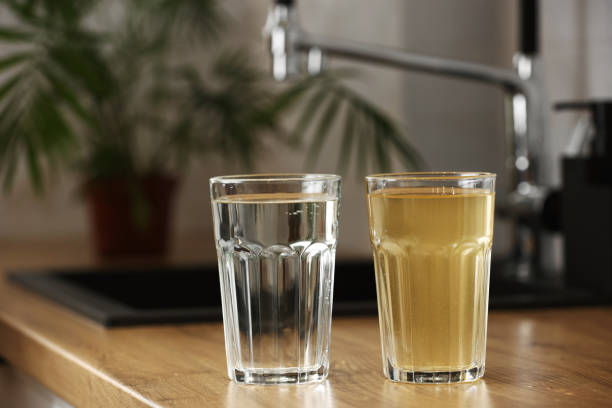
However, for many residents, the immediate aftermath of this essential infrastructure upgrade has brought an unexpected and unsettling surprise: a surge of brown, gritty sediment flowing from their faucets. While the lead is gone, the “cloudy water” that remains has left many homeowners questioning the safety of their supply.
The reality of 2026 is that replacing a lead line is a disruptive surgical procedure for a building’s plumbing. Understanding why this sediment appears, the risks it carries, and how to effectively “purge” your brownstone is the final, critical step in securing your home’s water quality.
The “Pipe Scale” Surge: Why the Water Turns Brown
The primary cause of sediment following a lead line replacement isn’t the new copper pipe; it’s the disturbance of the old system. Over the 80 to 100 years that a Hoboken brownstone has been standing, its internal pipes and the municipal mains have developed a “scale”—a crust-like layer of mineral deposits, iron, and manganese.
When a contractor cuts into the line and uses heavy machinery to pull a new pipe through, the physical vibration and sudden change in water pressure act like an earthquake for your plumbing. This dislodges the brittle pipe scale, which then rushes toward your taps the moment you turn them on.
As noted in our guide to contaminant types, this sediment is often more than just “rust.” It can act as a vehicle for microscopic lead particles that were trapped in the scale, meaning that “brown water” isn’t just an aesthetic problem—it’s a temporary health risk.
The Danger of Residual Lead Particles
One of the most significant health impacts associated with lead line removal is the “spike” that occurs immediately after the work. Even though the primary source (the lead pipe) is removed, small fragments of lead-bearing scale can remain trapped in the elbows of your internal plumbing or inside your faucet aerators.
Research by the EPA and environmental chemists indicates that lead levels can actually increase for several days or even weeks following a replacement if the system is not properly flushed. For families with young children or pregnant residents, this “post-replacement window” is the most dangerous time to rely on unfiltered tap water. This is why many Hoboken residents are finding that their routine “clear” water results from years ago no longer apply to their post-renovation reality.
The Essential “Post-Replacement” Flush
If you have recently had your lead line replaced in Hoboken, you cannot rely on a standard 30-second kitchen flush. To properly clear out the sediment and residual lead particles, you must perform a comprehensive, building-wide purge.
According to NJDEP guidelines, the procedure involves:
- Remove All Aerators: Unscrew the small screens at the tip of every faucet in the house. You will likely find significant grit trapped here.
- The High-Volume Flush: Start at the lowest level of the brownstone (usually a garden-level sink or tub) and turn the cold water on full blast.
- The Cascade Effect: Moving floor by floor, turn on every cold-water tap in the building. Let them all run simultaneously for at least 30 minutes.
- Clean the Screens: Before putting the aerators back on, soak them in white vinegar to dissolve any trapped mineral scale.
For many Hoboken owners, this process is a “canary in the coal mine.” If the water doesn’t clear after 30 minutes, it may indicate that the building’s internal galvanized pipes are also corroding and may need attention. You can find more detailed instructions on this in our FAQ section.
Beyond the Flush: Permanent Solutions
While flushing removes the bulk of the construction debris, it doesn’t address the “fine” sediment or the dissolved chemicals that can persist. Many brownstone owners are opting for permanent solutions to ensure the “post-replacement” water is truly pristine:
- Whole-House Sediment Filtration: A 5-micron sediment filter installed at the point of entry can catch the fine silt that a standard flush might miss, protecting your high-end appliances and hot water heaters.
- Lead-Rated Carbon Blocks: For drinking and cooking, a filter certified to NSF/ANSI Standard 53 is essential. This ensures that even if a microscopic lead particle breaks loose six months from now, it won’t make it into your glass.
On our Water Contamination Guide blog, we frequently discuss how Hoboken’s unique soil and aging mains create a “perfect storm” for sediment, making these filtration systems a wise investment for long-term property value.
Conclusion
Replacing a lead service line is a monumental win for the health of Hoboken’s residents, but the work doesn’t end when the contractor fills the hole in the sidewalk. The sediment surge that follows is a final reminder of the building’s long history.
By taking the time to properly flush your system and investing in the right filtration “barrier,” you can move past the brown water and finally enjoy the peace of mind that comes with a lead-free home. Don’t let the sediment of the past cloud the safety of your future.
If your water hasn’t cleared after a major line replacement, or if you’re concerned about what’s trapped in your internal pipes, contact us today. We can help you navigate the testing process and choose a solution that fits the specific plumbing of your Hoboken brownstone.
Common Lead Pipe Identification and Replacement Steps
This video provides a visual walkthrough of the flushing protocols recommended by water authorities to ensure all disturbed lead particles are removed from your home’s plumbing after a service line replacement.