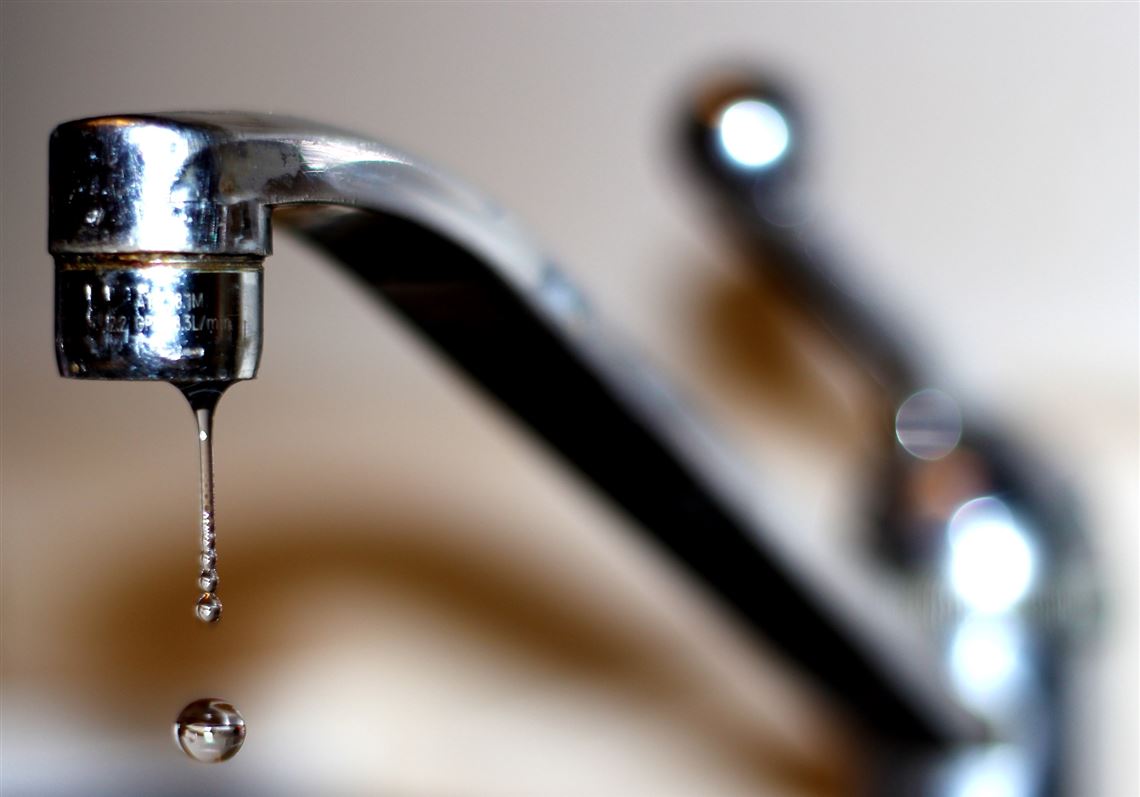
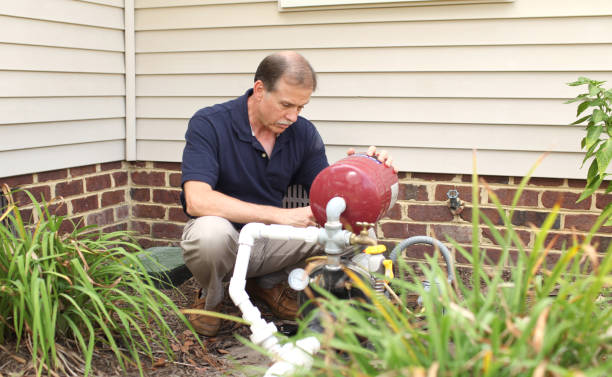
For a resident living in a modern condo near the base of the George Washington Bridge in Fort Lee, the morning routine was recently interrupted by a sight no homeowner wants to see. Upon turning on the primary bathroom faucet, the water ran a startling shade of rusty brown. After thirty seconds of flushing, the water cleared up, but the cycle repeated every single morning.
The immediate fear was a water main break or a contaminated municipal supply. However, after checking with neighbors and the building’s management, it became clear that the issue was isolated to a single unit. The diagnosis from a local plumber was both specific and surprising: the brown water wasn’t coming from the city’s pipes, but from the very tips of the pipes inside the bathroom wall.
This phenomenon—corrosion at the pipe ends—is a hidden culprit in many Fort Lee residences, particularly those that have undergone partial renovations or have aging plumbing systems. Understanding how a few inches of pipe can discolor gallons of water is essential for any homeowner looking to maintain a healthy home environment.
The Mechanics of “Dead End” Corrosion
To understand why water turns brown only in the morning, we have to look at the chemistry of stagnation. When you turn off your faucet at night, the water stays perfectly still in your pipes. If those pipes are made of copper but connect to older galvanized steel fittings or iron “nipples” behind the wall, a process called galvanic corrosion begins.
Galvanic corrosion occurs when two dissimilar metals are joined in the presence of an electrolyte (in this case, your tap water). The more active metal—the iron or steel—begins to sacrifice itself to the more “noble” metal—the copper. This reaction is often most intense at the “ends” or junctions of the pipes.
As the iron corrodes, it releases oxidized iron particles (rust) into the standing water. Over eight hours of sleep, that small junction can “bleed” enough rust to tint all the water sitting in the immediate vicinity. As we detail in our guide to contaminant types, this localized rust is a common cause of “first-draw” discoloration.
Why Fort Lee Infrastructure Plays a Role
Fort Lee is a unique mix of mid-century high-rises and brand-new luxury developments. In many older buildings, the main “risers” that bring water up through the floors are made of durable brass or copper, but the individual “stub-outs” (the short lengths of pipe that stick out of the wall to connect to your sink) might still be original galvanized steel.
When a homeowner performs a “cosmetic flip” and replaces a vanity or a faucet, they often connect a new flexible stainless steel line to an old galvanized pipe end. Without a proper “dielectric union”—a special fitting that prevents the two metals from touching—the rate of corrosion at that pipe end accelerates.
The EPA notes that while iron is primarily considered a “nuisance” contaminant that affects taste and color, the presence of rust is an indicator that the structural integrity of your plumbing is failing. For Fort Lee residents, this isn’t just a cleaning issue; it’s a warning of a future leak.
Identifying the “First-Draw” vs. Constant Problem
If you are seeing brown water in your Fort Lee home, the first step is to determine if the problem is localized. You can follow the diagnostic steps outlined in our FAQ section:
- The Time Test: If the water is brown for the first 30 seconds and then runs clear for the rest of the day, the source is almost certainly within your home’s plumbing, likely a corroding joint or pipe end.
- The Temperature Test: Does it happen with both hot and cold water? If it’s only the hot water, the source is likely sediment in your water heater. If it’s both, look to the pipe junctions.
- The Location Test: If the brown water only appears in one bathroom but the kitchen remains clear, the corrosion is isolated to that specific room’s “stub-outs.”
While the health impacts of consuming small amounts of iron are generally low, discolored water can be a sign that other metals, such as lead from old solder joints, are also being leached into your supply.
The Solution: More Than Just Flushing
While “running the water until it’s clear” is a common temporary fix, it doesn’t stop the underlying chemical reaction. For the Fort Lee resident in our case study, the solution required a “surgical” plumbing intervention.
The plumber had to open the small access panel behind the vanity and replace the corroding galvanized “nipples” with brass or plastic equivalents. By removing the source of the iron, the brown water disappeared permanently.
For homeowners who want to prevent this issue building-wide or protect their new fixtures, several solutions are effective:
- Dielectric Unions: Ensuring every junction between dissimilar metals is properly insulated.
- Point-of-Use Filtration: Installing a high-quality sediment filter directly under the sink to catch rust particles before they reach your glass.
- Whole-House Corrosion Control: In some cases, adjusting the pH of the water can slow down the rate of galvanic reaction.
On our Water Contamination Guide blog, we frequently highlight how these small, localized repairs can save homeowners thousands of dollars in potential water damage and appliance replacement costs.
Conclusion
The “brown water mystery” in Fort Lee is often a story of hidden junctions. We focus so much on the water coming from the city that we forget about the final few inches of pipe that deliver it to our hands.
If you are waking up to rusty water, don’t ignore the signal your pipes are sending. It is a sign of an active chemical reaction that, if left unchecked, will eventually lead to a pinhole leak or a burst pipe. By identifying and replacing corroding pipe ends, you can ensure your morning routine starts with water that is as clear as it is safe.
If you’re unsure whether your discoloration is a municipal issue or a localized plumbing problem, contact us today. We can help you find a certified inspector in Bergen County to test your water and pinpoint exactly where the rust is starting.