In the competitive real estate market of Hoboken, the “cosmetic flip” has become a staple. Walk down any street from Washington to Willow, and you’ll see historic brownstones and mid-century walk-ups being gutted and reborn with open-concept floor plans, wide-plank flooring, and matte black fixtures. For many renters, these units represent the height of urban luxury—a perfect blend of Mile Square charm and modern convenience.
However, a recent case involving a stunning two-bedroom rental near Stevens Institute of Technology serves as a sobering reminder for the 2026 tenant: aesthetic beauty does not guarantee internal safety. After moving into a freshly flipped unit that looked like a page from an interior design magazine, a young couple began noticing a strange metallic odor and recurring skin irritation. Despite the “newness” of the apartment, a professional water test revealed that the water was failing significantly on several key markers.
The culprit? A high-end cosmetic renovation that ignored the building’s fundamental infrastructure. Understanding how a “flip” can actually hide—or even exacerbate—water quality issues is essential for anyone navigating the Hudson County rental market.
The Illusion of the “New” Faucet
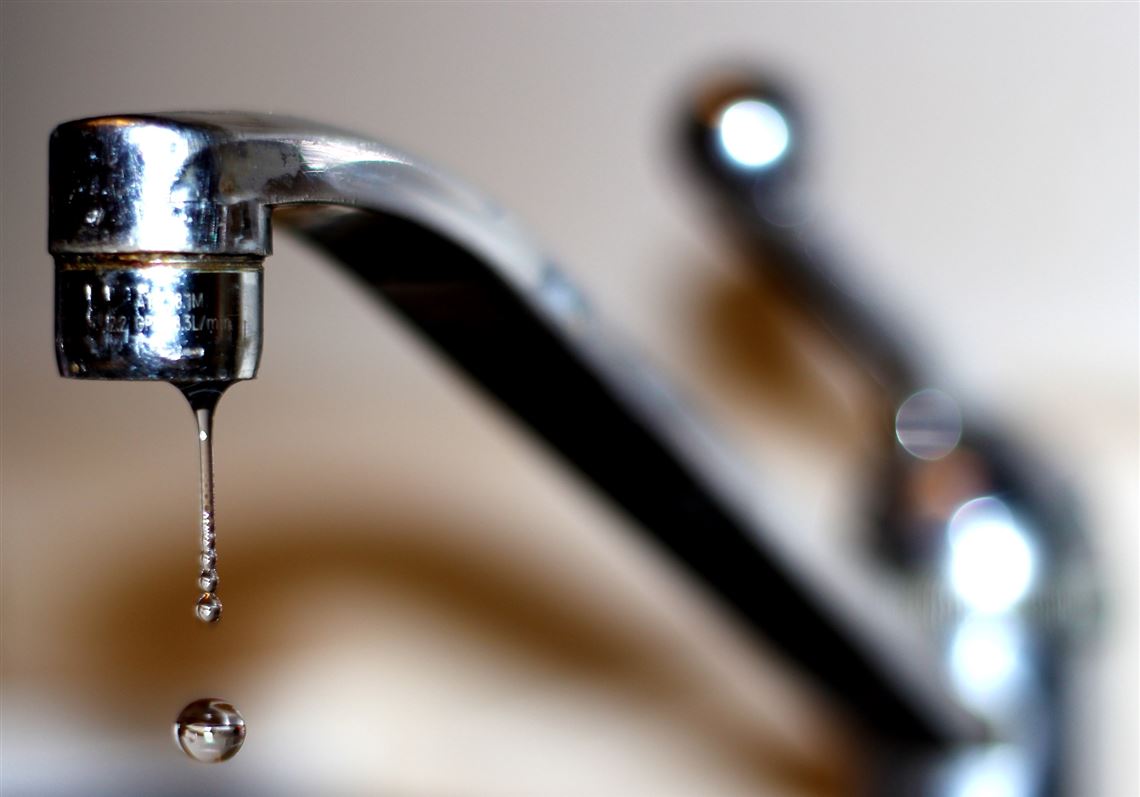
The primary danger of a cosmetic flip is that it masks the reality of the building’s “bones.” In the case of the Hoboken rental, the developers had installed beautiful waterfall faucets and a deep farmhouse sink. To a prospective tenant, these shiny new fixtures imply that the entire plumbing system has been modernized.
In reality, many flippers focus their budget on what is visible. While they may replace the chrome taps, they often leave the century-old galvanized steel or lead-lined pipes behind the walls untouched. When these ancient pipes are disturbed by the vibrations of construction or the installation of new valves, they can release a surge of accumulated contaminant types, including iron, manganese, and microscopic lead particles.
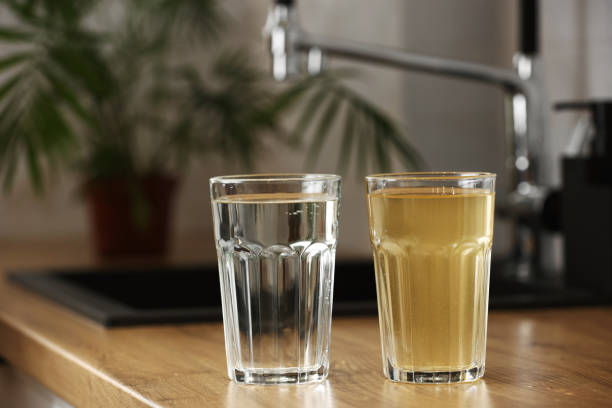
Because the water in this specific Hoboken unit looked clear, the tenants assumed it was safe. But clarity is not purity. The aggressive water chemistry common in urban environments can leach metals from old pipes even if the faucet itself is brand new.
Why Renovations Can Trigger Contamination
A major renovation often involves shutting off the water main and draining the building’s lines. This process introduces air into the pipes, which can cause internal rust and mineral scale to flake off. In an older Hoboken building, this “pipe scale” is a cocktail of decades of industrial-era residues.
Furthermore, if a flipper uses “off-brand” or non-certified fixtures to save costs, those fixtures themselves can be a source of contamination. Some low-cost brass components contain higher-than-average lead content, which can leach into the water when it sits stagnant overnight.
The EPA notes that even “lead-free” plumbing can legally contain trace amounts of the metal. In a “flipped” unit where the water might have sat in new, cheap pipes for weeks before a tenant moved in, the initial health impacts can be significant, ranging from gastrointestinal distress to long-term neurological concerns for children.
The “Dead Leg” Dilemma in Reconfigured Layouts
One of the most common features of a Hoboken flip is the reconfiguration of the kitchen or bathroom to create an “open” feel. When sinks or appliances are moved, the original plumbing lines are often capped off rather than removed entirely.
This creates what plumbers call a “dead leg”—a segment of pipe where water no longer flows. As we discuss in our FAQ section, these stagnant pockets become breeding grounds for biofilm and bacteria. Over time, the bacteria from a dead leg can migrate back into the main water stream of the apartment, leading to “rotten egg” odors or unexplained failed tests for coliform bacteria, even if the city’s water is perfectly treated.
For the tenants near Stevens, the “cosmetic” move of the kitchen island had created two such dead legs behind the new drywall, which were slowly contaminating their daily drinking water.
What Hoboken Renters Should Look For
If you are touring a freshly renovated rental in the 07030 zip code, don’t just look at the appliances. Take a proactive approach to the “unseen” infrastructure:
- Ask for the Pipe Age: Specifically ask the landlord or agent if the service line (from the street to the building) and the internal risers were replaced during the renovation.
- The “First Draw” Smell Test: Turn on the faucet and put your nose close to the stream. Do you smell metal? Do you smell sulfur?
- Check the Aerators: Unscrew the tip of the brand-new faucet. If you see black or orange grit inside a “new” faucet, it’s a sign that the old pipes behind the wall are disintegrating.
- Demand a Test: In 2026, many savvy renters are making a “passed water test” a condition of their lease, or performing their own test during the 24-hour move-in window.
On the Water Contamination Guide blog, we frequently track which historic Hoboken blocks are currently undergoing the most “flipping” activity, as these are often the areas with the highest reports of localized water spikes.
Solutions: How the Tenants Regained Safety
For the couple in the “failed” Hoboken rental, the solution required a mix of building-wide advocacy and personal solutions. Once the test results were presented to the landlord, the building was forced to perform a professional high-velocity flush to clear out construction debris.
However, since the landlord refused to replace the underlying pipes behind the historic walls, the tenants opted for an Under-Sink Reverse Osmosis (RO) System. RO systems use a semi-permeable membrane to physically block the contaminants that flippers often ignore, including lead, chromium, and the chemical residues from new plastic piping (PEX).
In a city like Hoboken, where the New Jersey Department of Environmental Protection is constantly updating standards for urban water, having a personal “final barrier” is often the only way to guarantee safety in a rented space.
Conclusion
A “cosmetic flip” is like a fresh coat of paint on a crumbling foundation—it looks great on a tour, but you have to live with what’s underneath. The tenants of the Hoboken rental learned the hard way that a waterfall faucet doesn’t mean the water is pure.
In 2026, as Hoboken continues its rapid transformation, renters must be their own best advocates. Don’t be blinded by the marble countertops and the stainless steel. Test your water, ask about the pipes, and ensure that your beautiful new home is as healthy as it is stylish.
If you’ve recently moved into a renovated apartment and have concerns about the water quality—or if you’re a landlord wanting to ensure your flip is truly safe—please contact us today. We can help you navigate the testing process and find a filtration solution that fits your space.