In the high-stakes world of Manhattan real estate, the due diligence process is typically a well-rehearsed dance of financial audits, board package reviews, and structural inspections. However, as we move through 2026, a new trend is emerging among sophisticated buyers: environmental due diligence that extends to the very molecules in the kitchen tap. Recently, a transaction for a luxury loft in Soho took an unexpected turn when a cautious buyer, unsatisfied with a standard building-wide report, insisted on a second, unit-specific tap sample.
What followed was a revelation that has since become a cautionary tale for brokers and buyers alike. It highlighted the massive discrepancy that can exist between a building’s “official” water quality and the actual contaminant types flowing into an individual residence. This case study serves as a masterclass in why the “last mile” of water delivery—the path from the street main to the faucet—is the most critical variable in urban health.
The Initial Assurance: Why the First Test Wasn’t Enough
The seller of the Soho property was confident. The building, a converted 19th-century warehouse, had recently undergone a plumbing retrofit in 2022. To facilitate the sale, the building management provided a “Certificate of Water Quality” based on a sample taken from the main intake in the basement. This report showed that the water entering the building was well within the EPA’s 2026 guidelines for lead, copper, and chlorine.
For most buyers, this would have been the end of the story. But this particular buyer was a health professional who understood the health impacts of chronic exposure to heavy metals. They knew that basement samples tell you about the city’s water, not the apartment’s water. They requested a “second draw” sample—specifically, a test of the water that had sat in the loft’s internal pipes overnight.
The Discrepancy: A Tale of Two Taps
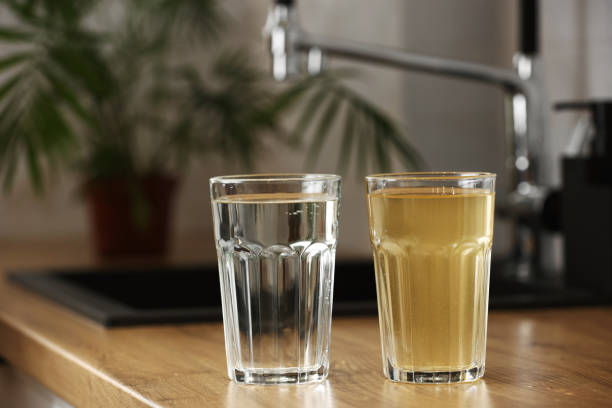
When the results of the second sample arrived, the mood of the transaction shifted. While the basement intake was nearly pristine, the kitchen tap in the loft showed lead levels that were four times higher than the federal action level. The buyer’s insistence on a second sample had uncovered a “hidden” lead source that a building-wide audit could never detect.
The culprit wasn’t the city’s water mains or even the building’s primary risers. It was a “legacy” lead-solder joint located behind the kitchen wall, a remnant of a partial renovation done in the early 2000s. This single point of failure was leaching lead into the water as it sat stagnant overnight. As we often discuss on our blog, these localized issues are incredibly common in Manhattan’s older housing stock, where “renovated” doesn’t always mean “fully replaced.”
The Science of “Stagnation Leaching”
This incident highlights a phenomenon known as stagnation leaching. In our faq, we explain that the chemistry of water changes the longer it sits in contact with metal. In a dense Manhattan building, water can sit in an apartment’s internal pipes for 8 to 12 hours while the residents are at work or asleep.
During this time, the water—which is treated by the city to be slightly alkaline—can still strip microscopic amounts of metal from old solder or brass fixtures. This is why a second sample, taken after a period of non-use, is the only true way to measure what a family is actually consuming. For the Soho buyer, this wasn’t just about a “bitter taste”; it was about avoiding the neurological health impacts associated with daily lead ingestion.
The Role of Biofilm and Microbial Growth
The second sample revealed another surprise: a spike in heterotrophic plate count (HPC), which indicates bacterial activity. While not necessarily harmful on its own, high HPC levels suggest that the “biofilm”—the layer of organic matter inside the pipes—was actively growing in the loft’s specific branch lines.
This is a common issue in luxury Manhattan units that are not occupied year-round. When water doesn’t move, the chlorine residual that keeps it safe dissipates. The buyer realized that even in a “modern” loft, the low occupancy of the building’s units was creating localized biological contaminant types that the building’s basement filtration system wasn’t intended to catch.
Negotiating the Fix: Modern Solutions for a Historic Loft
The discovery of the lead spike didn’t kill the deal, but it did change the numbers. The buyer used the testing data as a lever to negotiate a credit for a comprehensive water safety system. They realized that in a landmarked Soho building, you can’t always tear out the walls to find every old solder joint.
Instead, they looked for modern solutions. They decided to install:
- Point-of-Use (POU) Reverse Osmosis: To ensure that all water used for drinking and cooking was stripped of heavy metals and bacteria at the molecular level.
- Smart Leak and Flow Sensors: To monitor for stagnation and automatically alert the owners if the water hadn’t moved for more than 24 hours, preventing the buildup of biofilm.
- Lead-Specific Filtration: A sub-micron carbon block filter that provides an additional layer of defense for the refrigerator’s ice maker and secondary taps.
This proactive approach turned a potential deal-breaker into a “wellness” upgrade that increased the long-term value of the property. It’s a strategy we frequently recommend on our blog for those navigating the complexities of the 2026 real estate market.
Why Every Manhattan Buyer Should Request a Unit-Specific Test
The Soho loft case has set a new precedent for “best practices” in Manhattan apartment hunting. Relying on a building’s general water report is like relying on a neighborhood’s general crime statistics—it doesn’t tell you what’s happening in your specific hallway.
If you are a buyer in 2026, you should consider the following:
- Always request a “First Draw” sample: This is the most conservative way to test for lead and copper leaching from internal plumbing.
- Inquire about “Dead Legs”: Ask if the renovation removed all unused pipe sections where water can stagnate.
- Look Beyond Lead: Ensure your test includes common urban contaminant types like PFAS and microplastics, which are increasingly found in the city’s distribution network.
In our faq, we provide a checklist of questions to ask building managers about their centralized filtration and pipe-replacement history. Knowledge is the only way to ensure that your Manhattan dream home doesn’t come with a hidden environmental cost.
Conclusion: Closing with Confidence
In the end, the Soho buyer closed on the loft. They did so with the confidence that their family would be drinking pure water from day one. The “second tap sample” wasn’t just a hurdle in the transaction; it was a necessary piece of the puzzle that ensured the health of the home matched the beauty of the architecture.
In a city as old and complex as New York, we must be our own advocates for environmental safety. The “last mile” of water delivery is your responsibility as a homeowner. Whether you are buying a penthouse or a walk-up, the only way to know what you are drinking is to test exactly what is coming out of your tap.
The most effective next step for any prospective Manhattan buyer is to look past the “modern renovation” labels. If you are in the process of a home purchase and have questions about the health impacts of localized plumbing, the best path forward is to contact a specialist today to schedule an independent unit-specific audit. Don’t take the building’s word for it—get the data you need to find a solution that works for your specific sink.