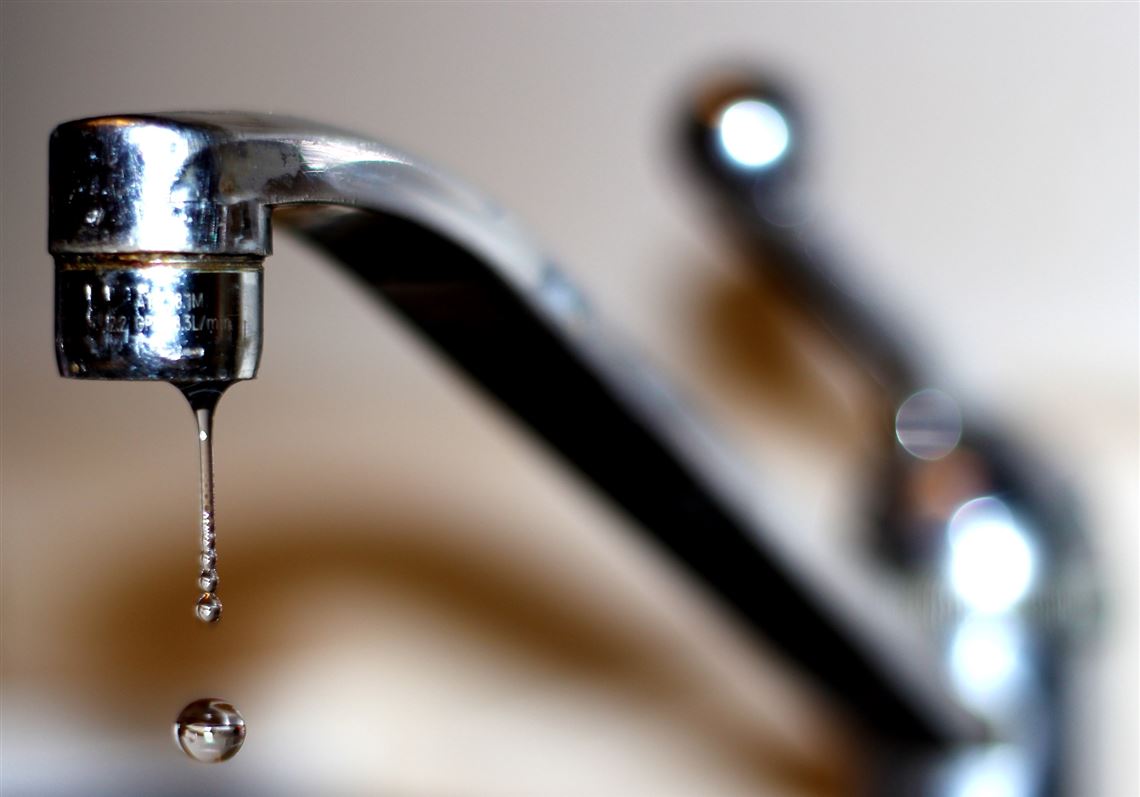
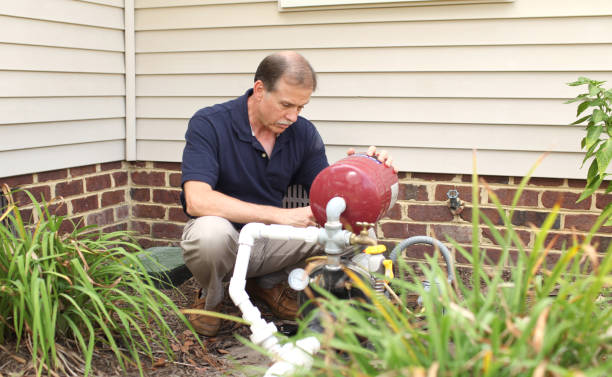
For many residents of Brooklyn, the sight of discolored water is a somewhat common, if frustrating, occurrence. Whether you are in a renovated townhouse in Bed-Stuy or a historic estate in Brooklyn Heights, “brown water” is often dismissed as a temporary nuisance. The conventional wisdom—passed down through generations of New Yorkers—is that a nearby fire hydrant was opened or a water main was flushed, and the solution is simply to run the cold water for twenty minutes until it clears.
However, in the spring of 2026, a family living in a meticulously restored 19th-century brownstone discovered that their persistent “tea-colored” water was a symptom of a much more complex environmental issue. While rust from aging galvanized pipes is a frequent culprit, their experience proved that brown water can serve as a delivery vehicle for a host of other contaminant types that don’t just stain the porcelain—they threaten the long-term health of the household.
The Discovery: Beyond the Aesthetic Nuisance
The homeowners initially noticed the discoloration in their master bathroom’s clawfoot tub. Assuming it was a byproduct of the city’s seasonal hydrant flushing, they followed the standard protocol: running the taps. But while the water eventually turned “clear,” a metallic tang remained, and the sediment returned with every heavy rainstorm.
This persistent staining led them to investigate the health impacts associated with discolored water. They learned that the brown hue is often caused by oxidized iron, which is generally considered a “secondary” or aesthetic contaminant. However, iron is rarely alone. In the aging infrastructure of Brooklyn, the same corrosion that releases iron can also liberate more dangerous substances that have been trapped in the pipe scale for decades.
The Hidden Passengers: Lead, Copper, and Biofilm
The most significant realization for the Brooklyn family was that their brown water was actually a warning sign for lead. New York City’s water is lead-free when it leaves the upstate reservoirs, but as it travels through the “last mile” of distribution, it passes through thousands of lead service lines. According to recent blog updates on urban infrastructure, when the water flow is disturbed—causing the “brown” sediment to break loose—it often brings lead particles with it.
In 2026, we now know that there is no safe level of lead exposure, especially for developing children. When this family’s water was professionally tested, the “rust” was found to be a mixture of iron, manganese, and a lead concentration that was nearly triple the federal action level. The brown water wasn’t the problem itself; it was the visible evidence that the protective coating inside their old pipes had failed, allowing the water to interact directly with the hazardous materials underneath.
The Role of Urban Runoff and Soil Contamination
Brooklyn brownstones are unique in their proximity to the street and their historic “front gardens.” The family’s investigation revealed another surprising factor: urban runoff. During periods of extreme rainfall—which have become more frequent in the 2026 climate—the pressure on the city’s combined sewer and water systems can cause microscopic breaches in older service lines.
As we discuss in our faq, this allows localized soil contaminants to enter the water stream. In a borough with a deep industrial legacy, the soil around these pipes can contain chromium, arsenic, and other heavy metals. When these enter the water, they often bind to the same iron particles that create the brown color. The water wasn’t just “rusty”; it was a chemical cocktail reflecting the industrial history of the neighborhood.
The “Hot Water” Trap: Sediment in the Tank
The family also discovered that the discoloration was significantly worse when they used hot water. This pointed to a secondary issue: sediment accumulation in their water heater. Over time, the minerals that create the “brown” tint settle at the bottom of the tank.
This creates more than just a color problem. The sediment layer acts as an insulator, forcing the heater to work harder and creating a breeding ground for contaminant types like Legionella or other bacteria that thrive in warm, stagnant environments. For the homeowners, the brown water was a signal that their entire hot water system was becoming a bio-hazard, requiring an immediate flush and the installation of a specialized pre-filter.
Finding Sustainable Solutions: The Multi-Stage Approach
Recognizing that “running the tap” was not a long-term fix, the family looked into modern solutions. In a historic brownstone, you cannot always replace every pipe behind the lath-and-plaster walls without destroying the home’s character. Instead, they opted for a comprehensive filtration strategy.
The strategy involved:
- Point-of-Entry (POE) Sediment Filter: To catch the large iron and rust particles as they enter the house from the street.
- Sub-Micron Carbon Block: Specifically designed to capture lead and other heavy metals that “hitchhike” on the sediment.
- UV Sterilization: To ensure that any bacteria stirred up by local construction or water main breaks would be neutralized before reaching the tap.
This multi-stage approach allowed them to maintain the historic integrity of their home while ensuring the water was safer than it had been in a century. As they shared on a local neighborhood blog, the difference was immediate: not just in the color, but in the peace of mind.
Why Testing is the Essential First Step
The most important lesson from this Brooklyn experience is that you cannot diagnose water quality by sight alone. Clear water can be dangerous, and brown water can be more than just “iron.” In 2026, the only way to know what is actually in your glass is through a certified lab analysis.
Homeowners who ignore discolored water are essentially ignoring a check-engine light for their health. Whether you are a renter or an owner, if your water is consistently brown, it is time to look at the health impacts and take ownership of your home’s “last mile” of water delivery. The city is responsible for the reservoir; you are responsible for the tap.
Conclusion: A Healthier Home in a Historic Borough
The brown water in that Brooklyn brownstone was a blessing in disguise. It forced a family to look deeper into their environmental health and led to an upgrade that protected them from lead and other invisible threats. In the historic neighborhoods of New York, we must respect the past while utilizing the technology of the future to keep our families safe.
The most effective next step for any Brooklyn resident facing discolored water is to move beyond the “flush it and forget it” mentality. If your water isn’t running clear within a few minutes, or if it has a persistent metallic odor, you should contact a specialist immediately. We can help you identify the specific contaminant types present in your plumbing and tailor a solution that fits the unique needs of your historic home.